1
A Virgin the Church didn’t recognize
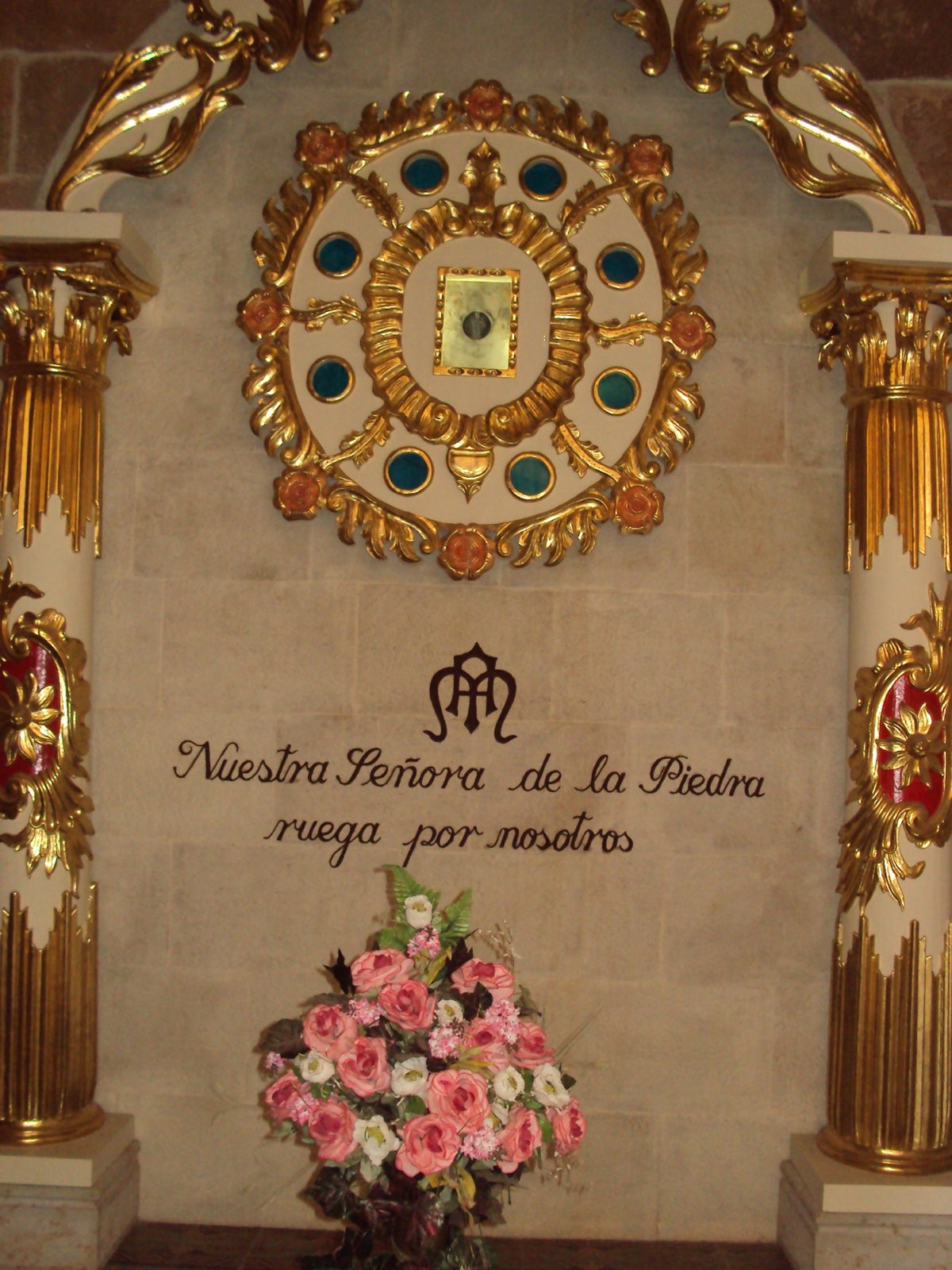
The parish priest at the time didn’t accept the apparition. The townspeople venerated her anyway and ended up building her church—what locals call the “miracle of the stone.”
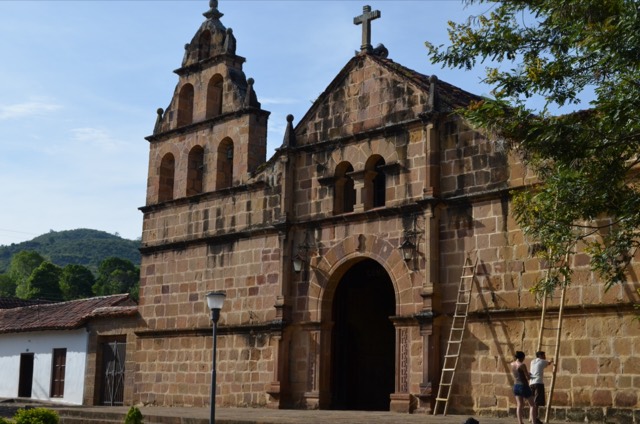
Main parish church · Barichara’s main square
A church of golden sandstone built on a legend: a Virgin Mary who appeared etched on a rock.
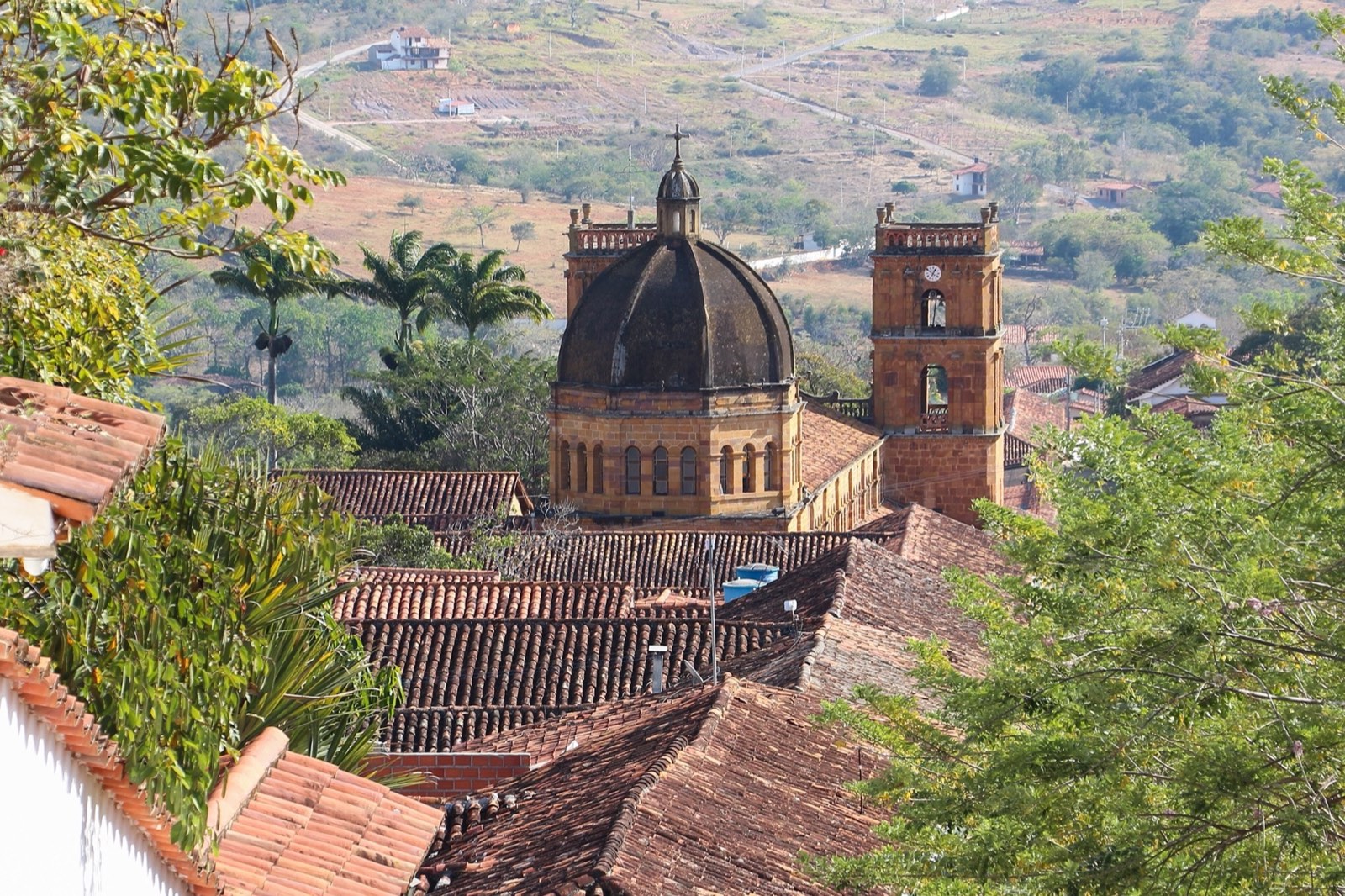
1 / 13 · Arrival
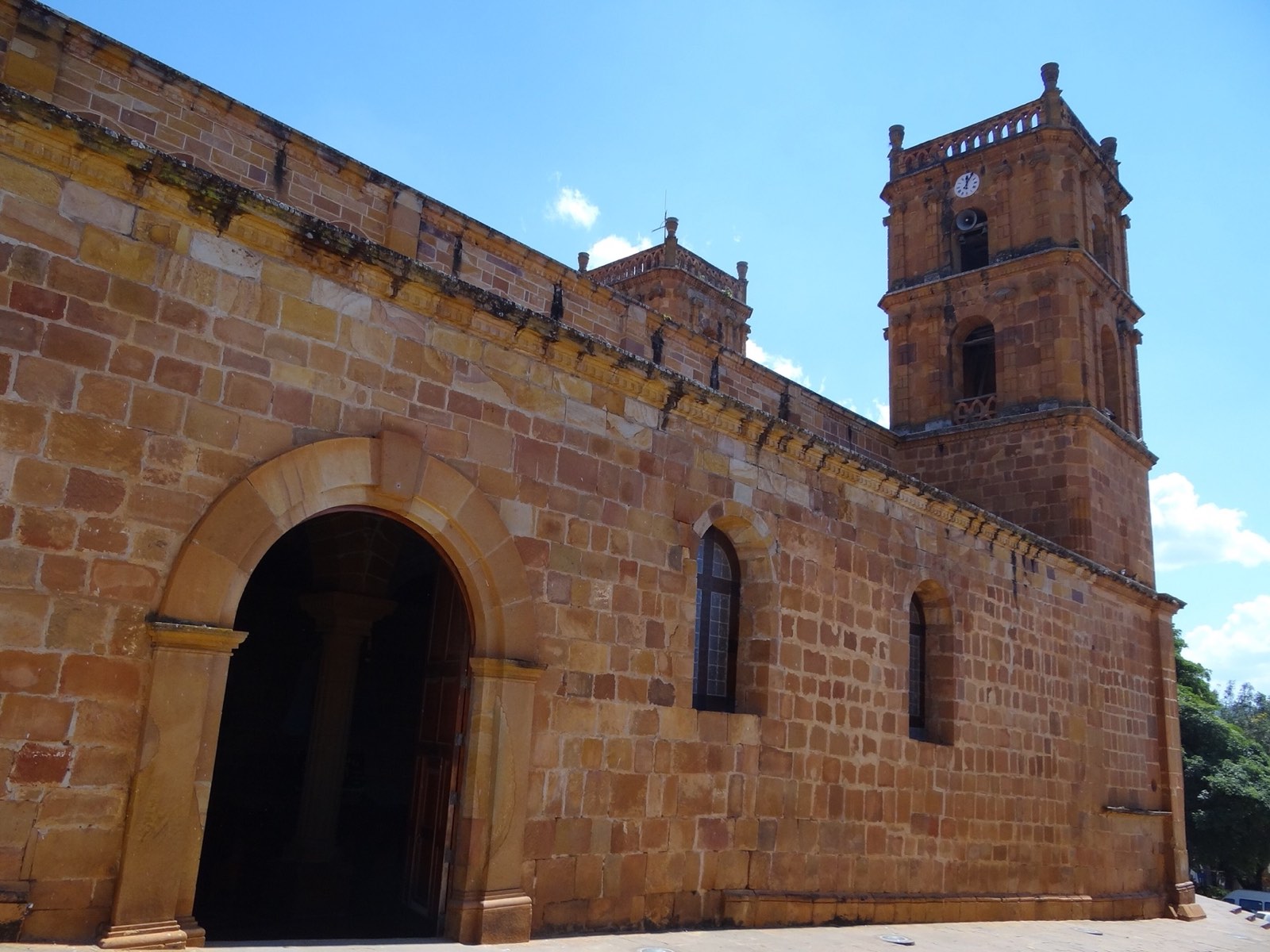
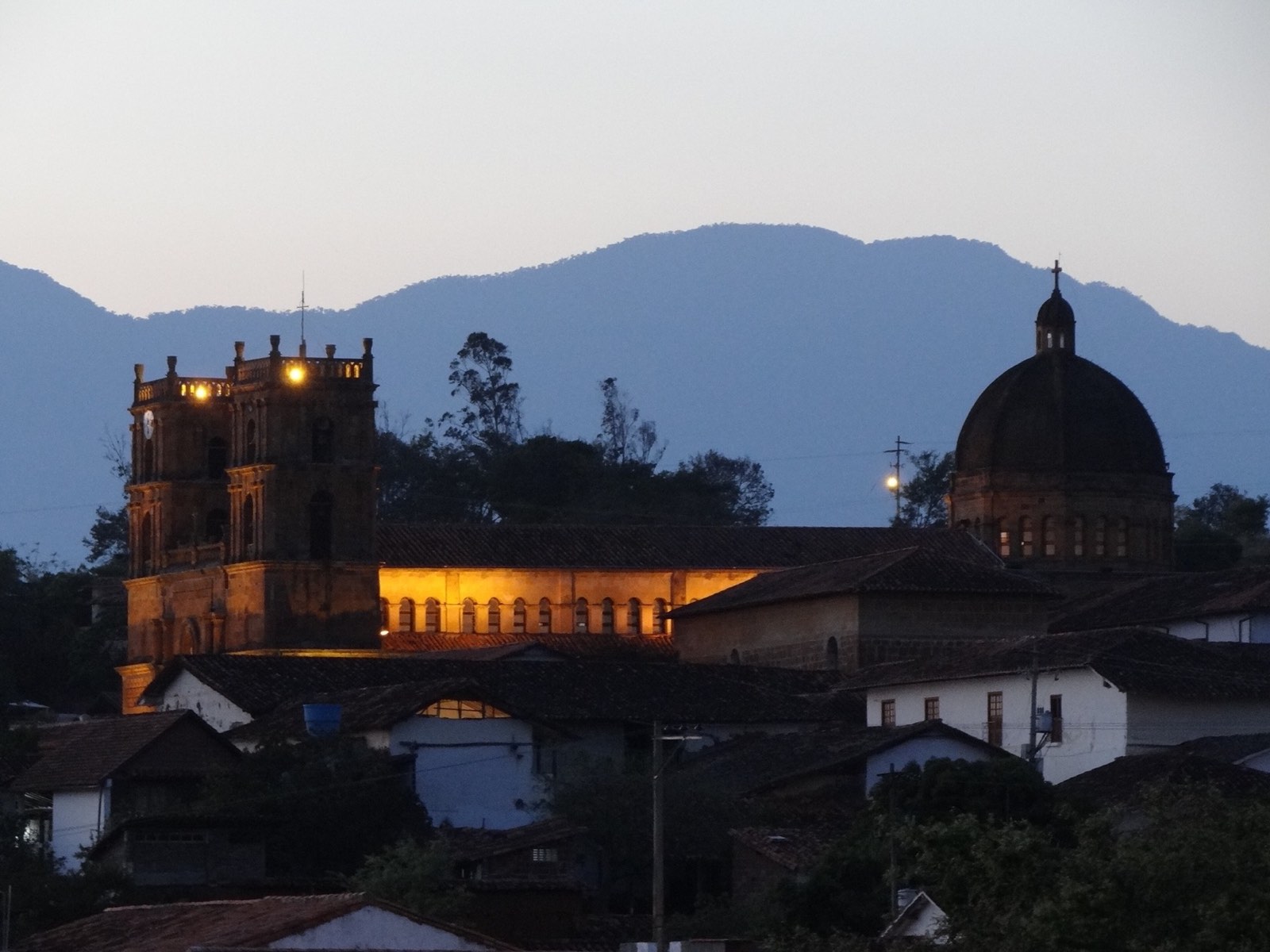
You can see the dome and towers from almost anywhere in Barichara.
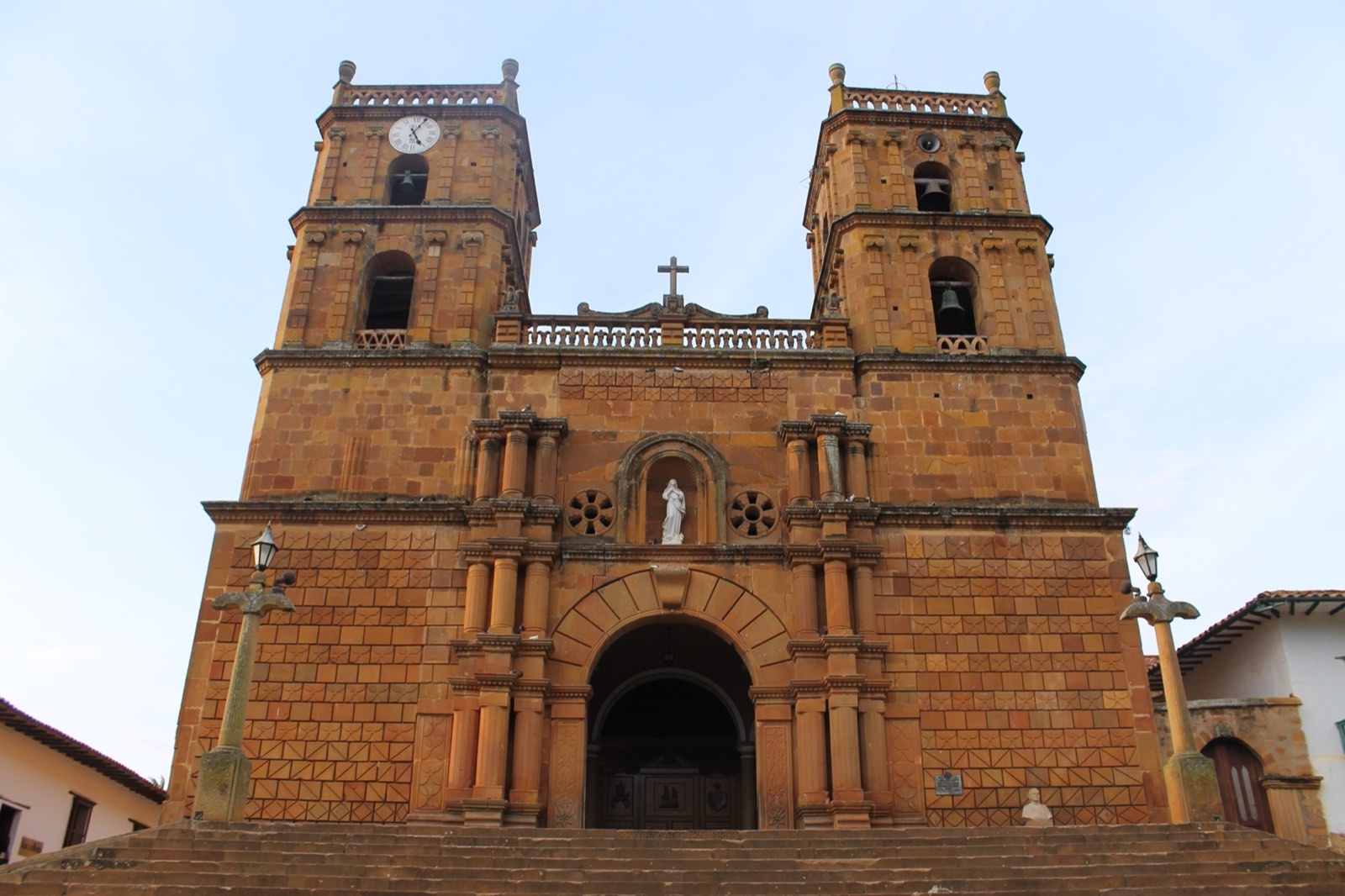
2 / 13 · The façade
Built with stone from local quarries, with two square towers watching over the plaza.
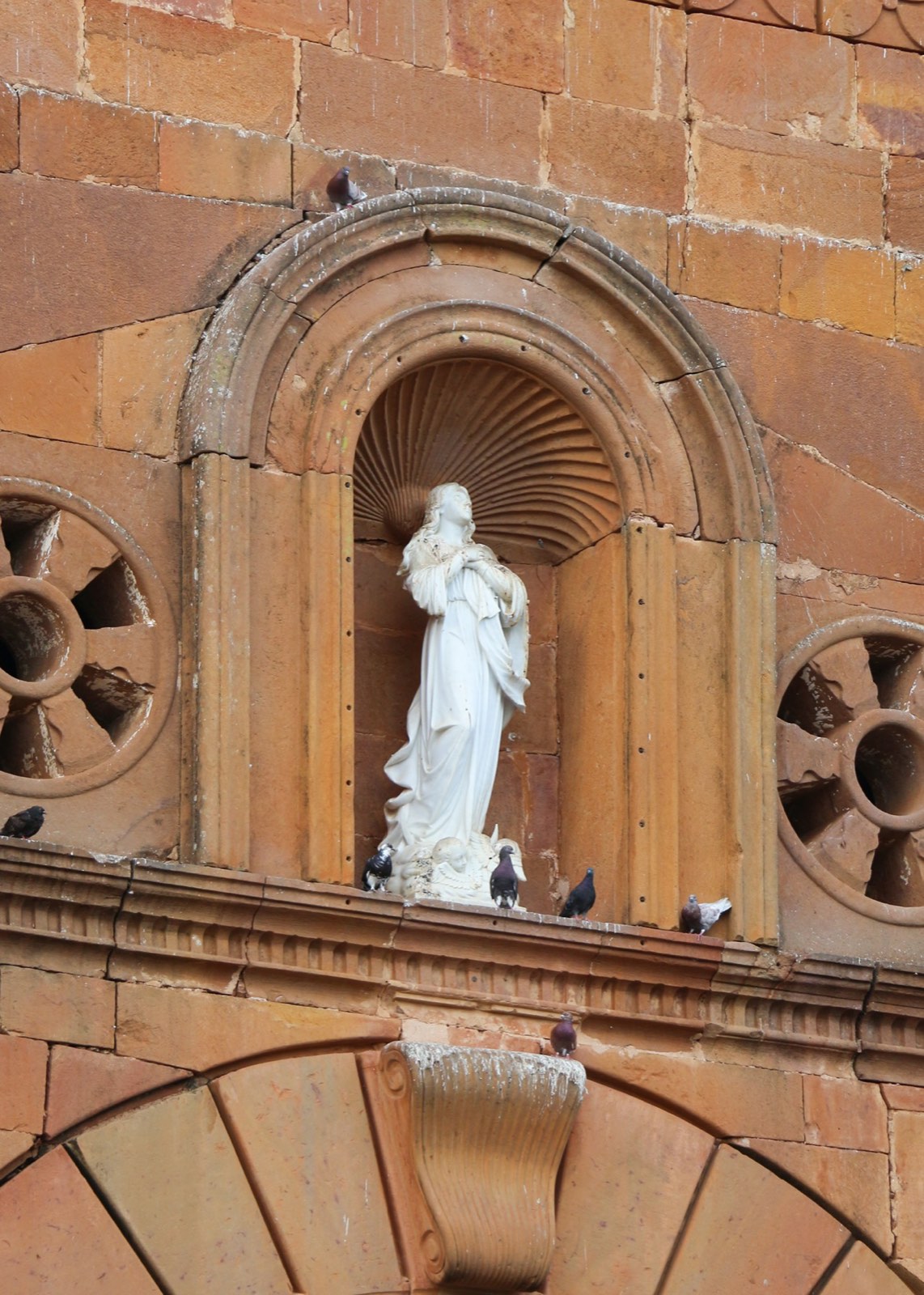
3 / 13 · The patron saint
From her niche on the façade, the town’s patron saint greets everyone who arrives.
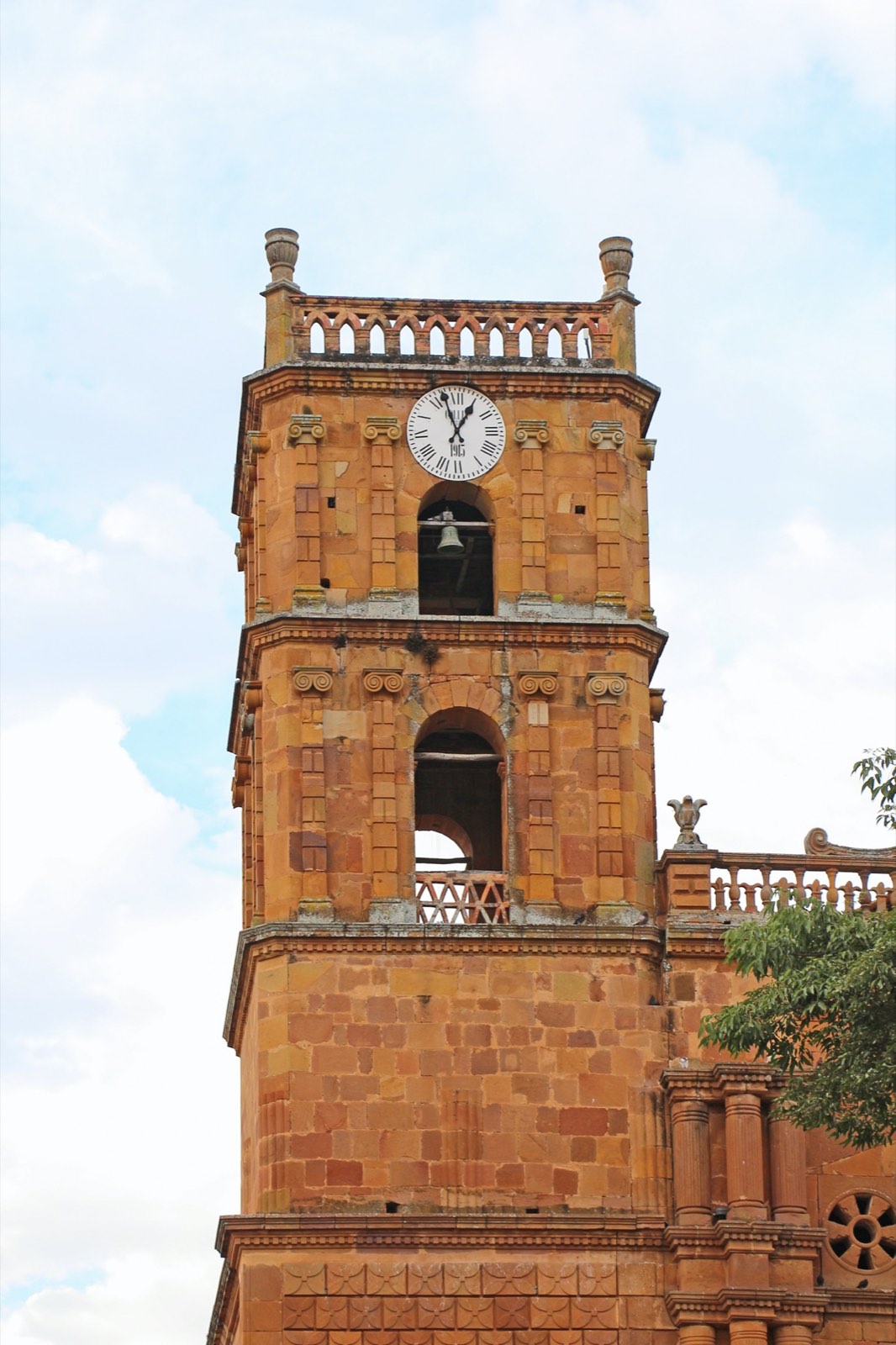
4 / 13 · The towers
Each tower is crowned with carved stone balustrades.
5 / 13 · Stepping inside
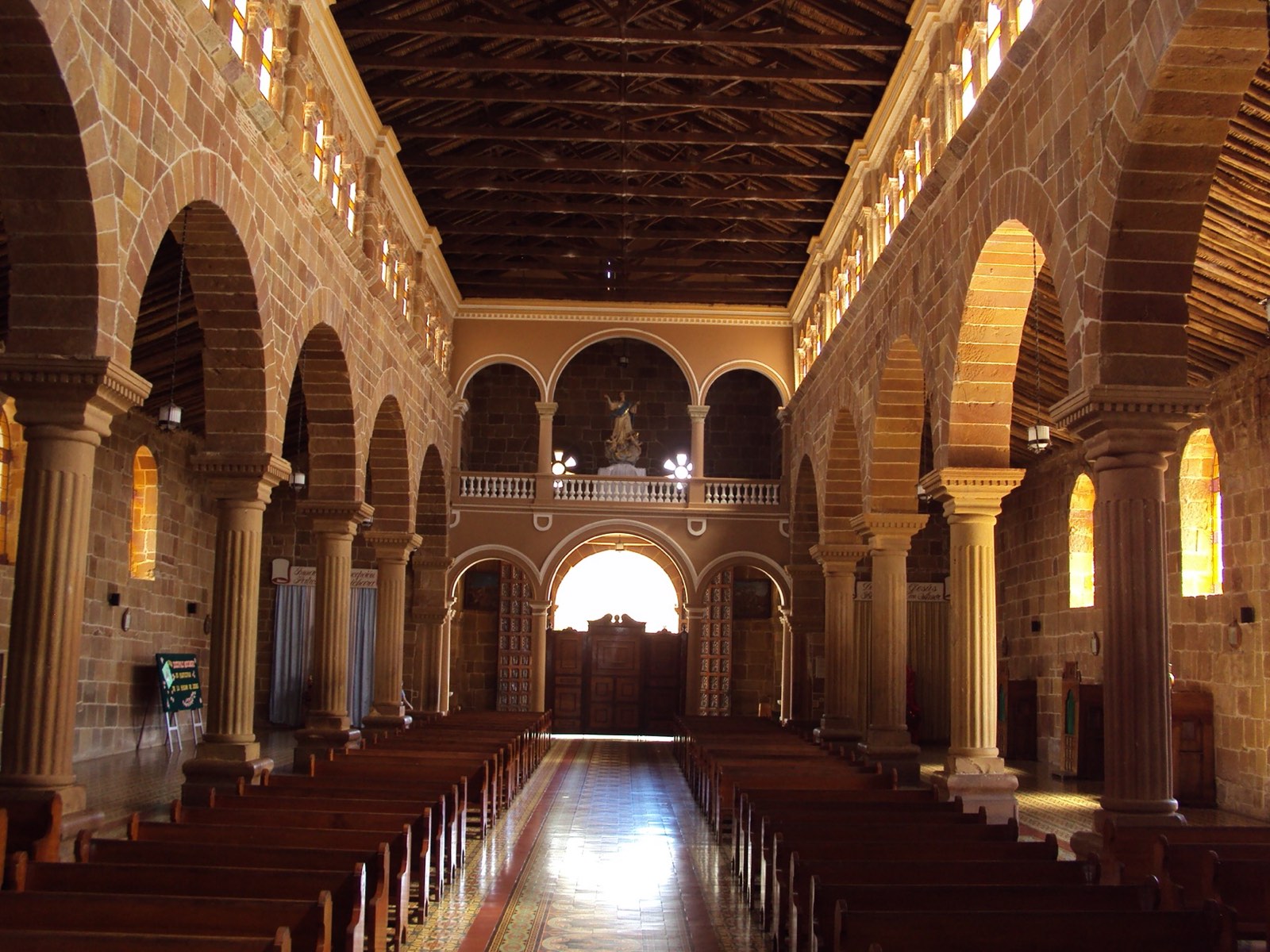
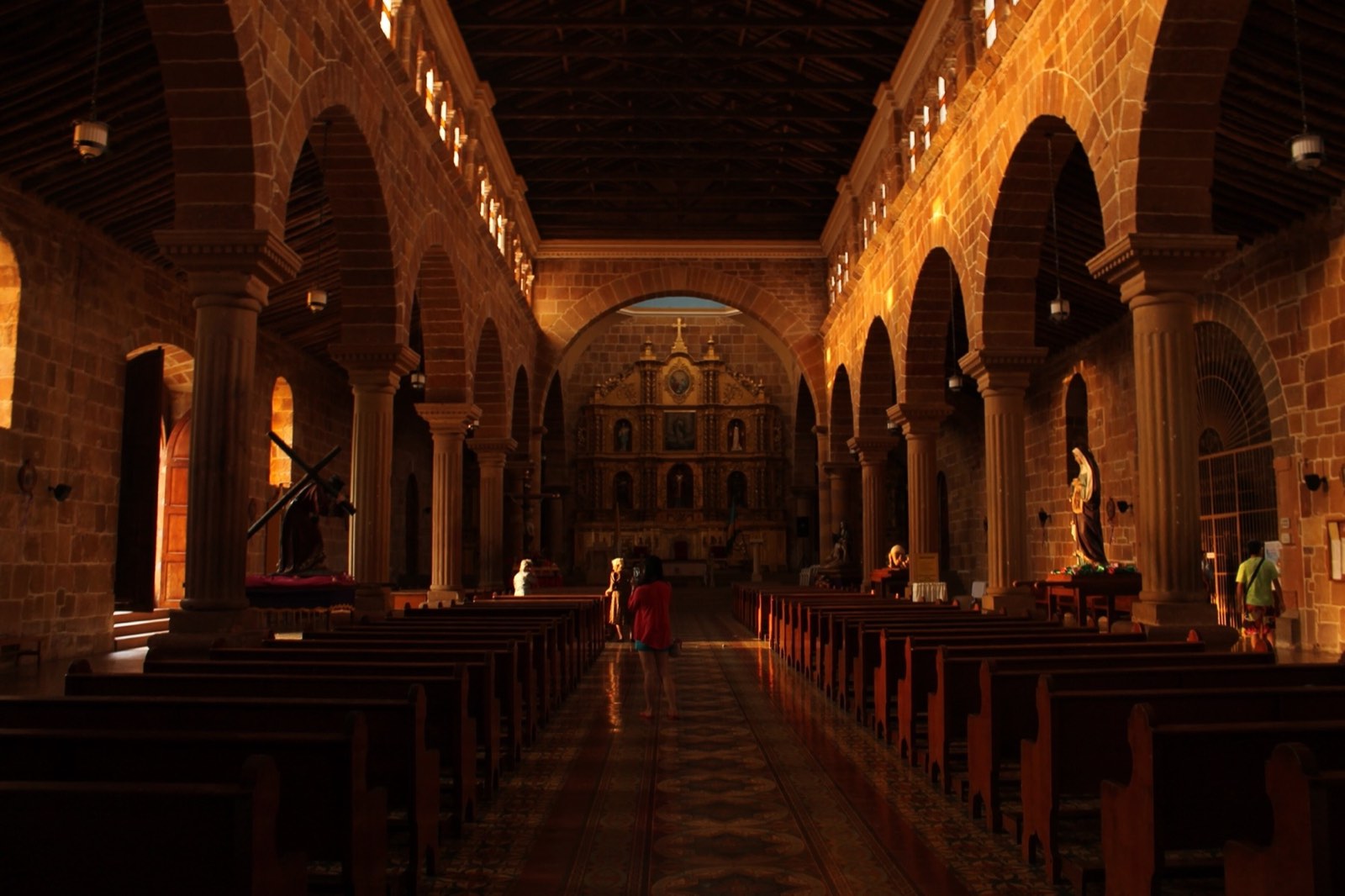
Inside, three naves separated by massive columns draw your eye toward the altar.
6 / 13 · The columns
Each column is carved from a single block of stone. Tradition says they stand for the Ten Commandments.
7 / 13 · The ceiling
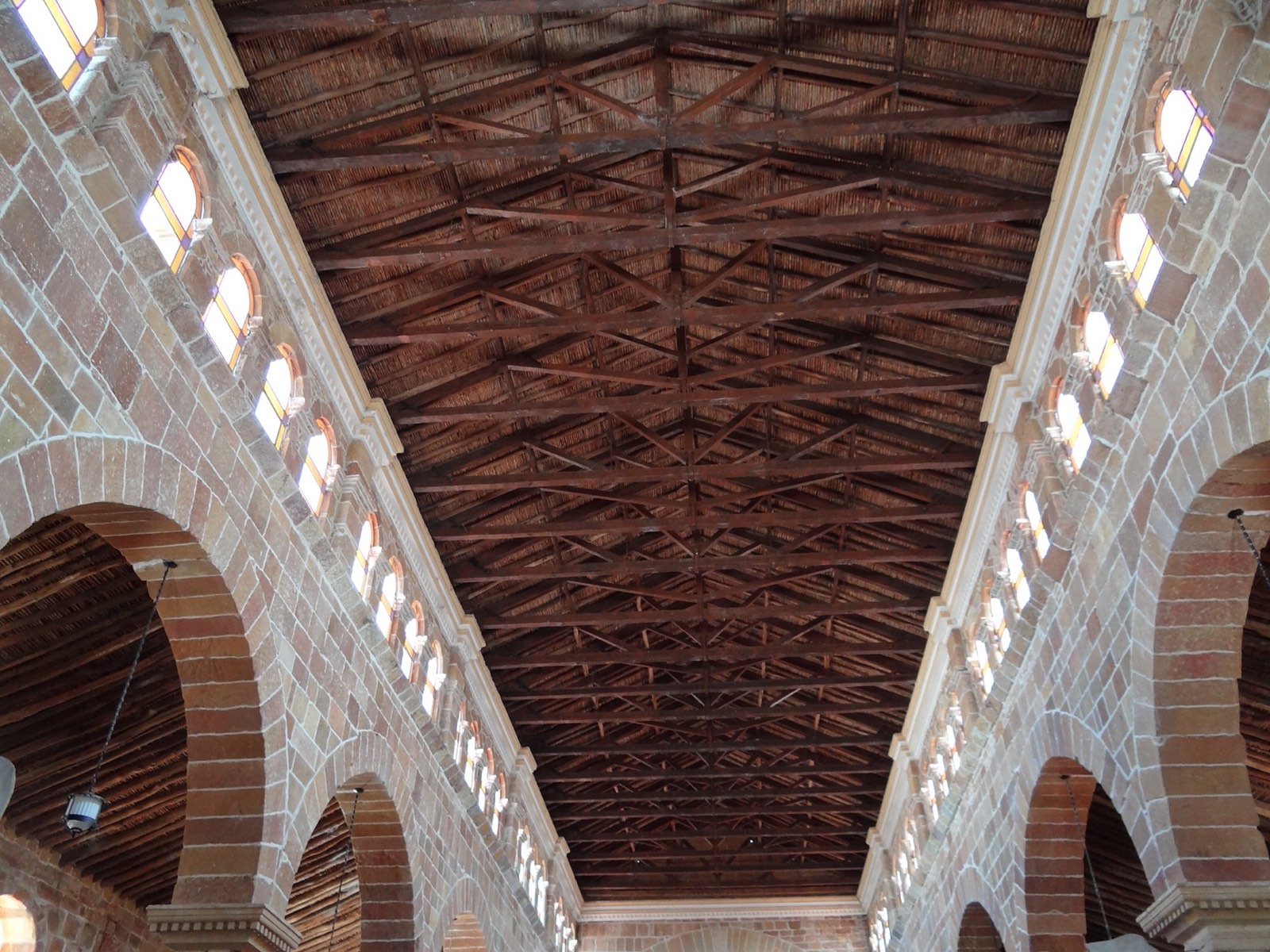
Above the arches, the gabled roof shows off its wooden framework.
8 / 13 · The dome
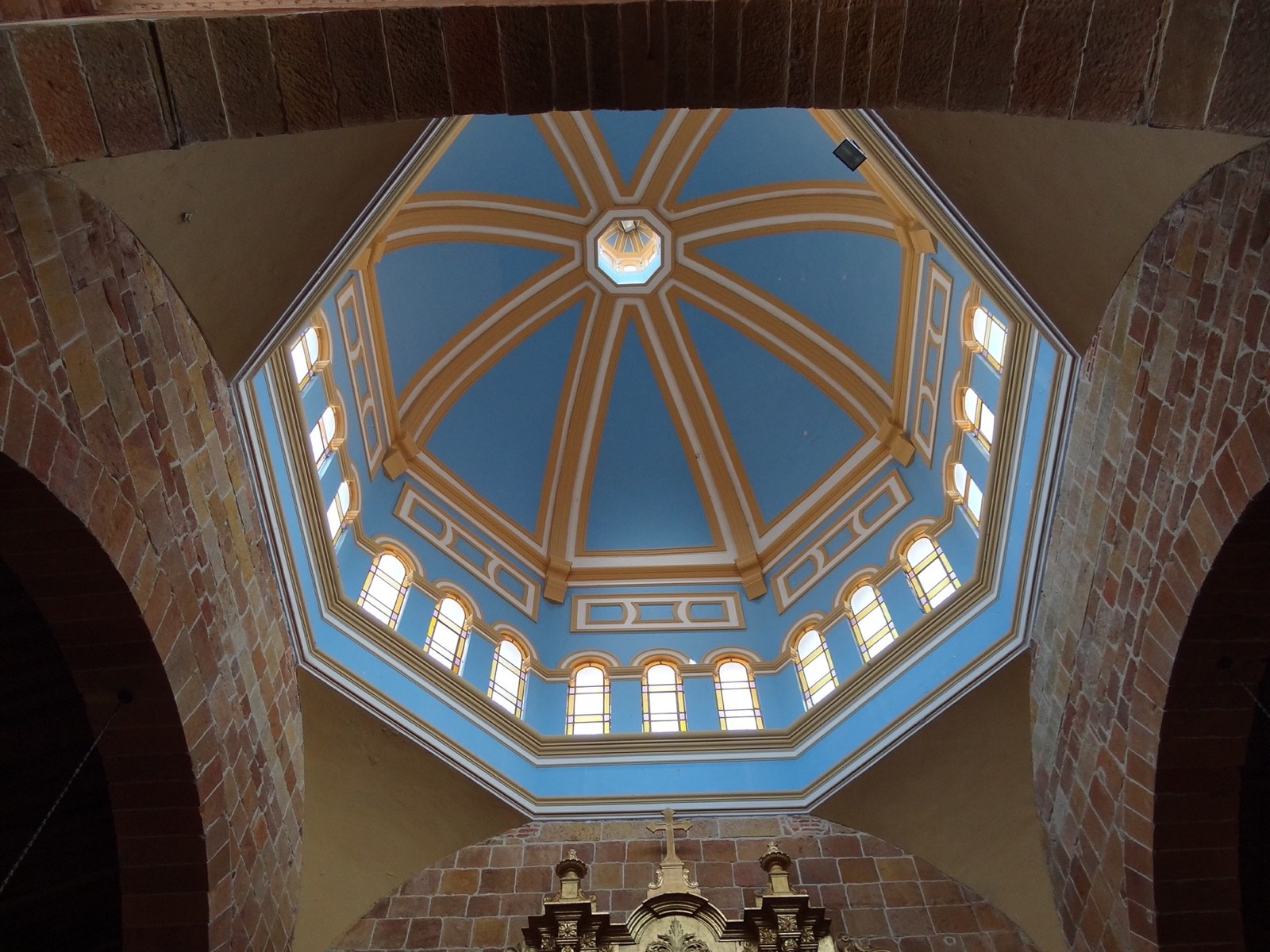
An octagonal dome opens above the crossing.
9 / 13 · The high altar
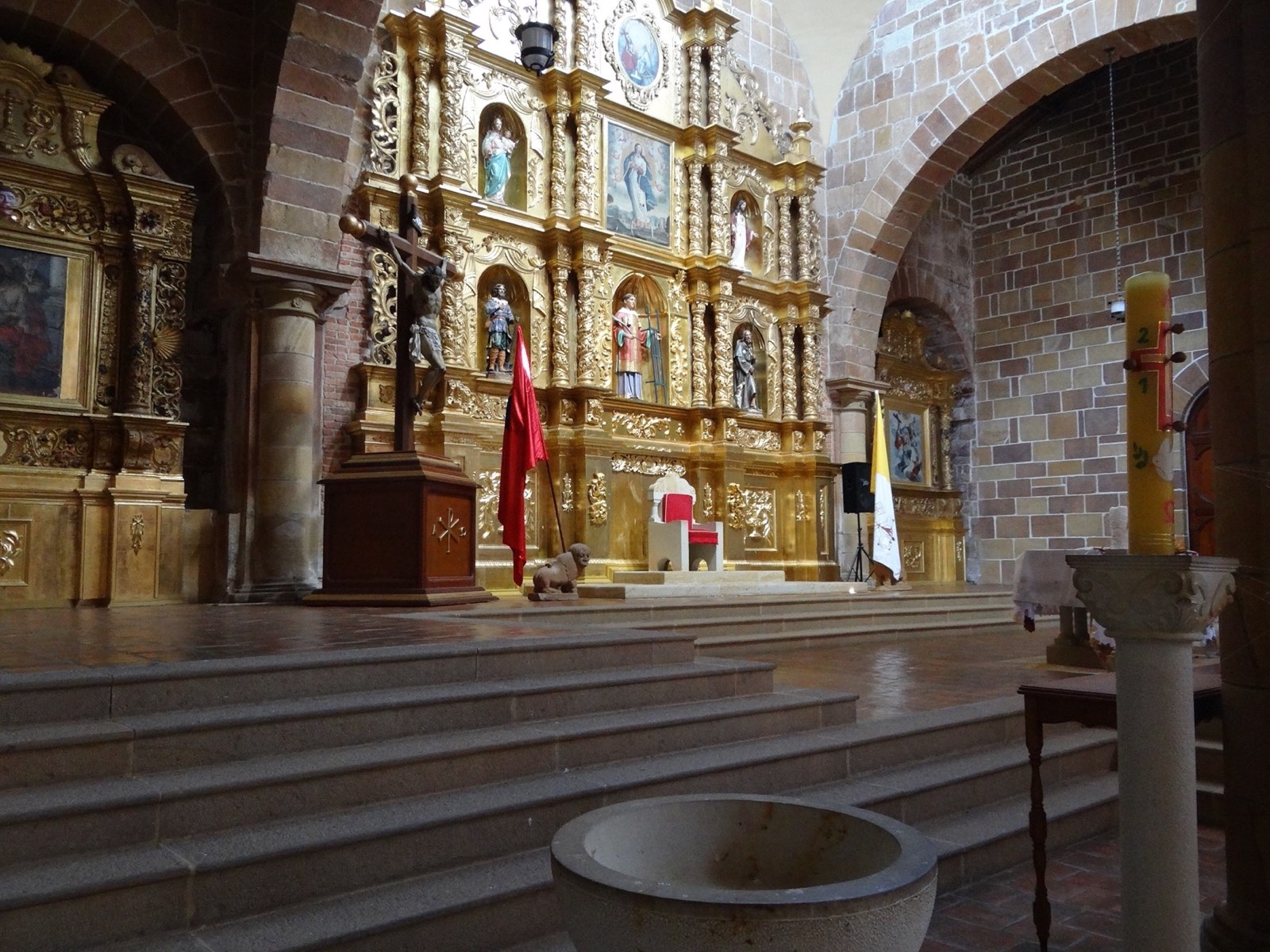
The high altar is covered in gold leaf and holds the image of the patron saint.
10 / 13 · Where it began
Inside the church, the faithful honor the Virgin of the Stone, from the legend that gave birth to the town.
11 / 13 · Underfoot
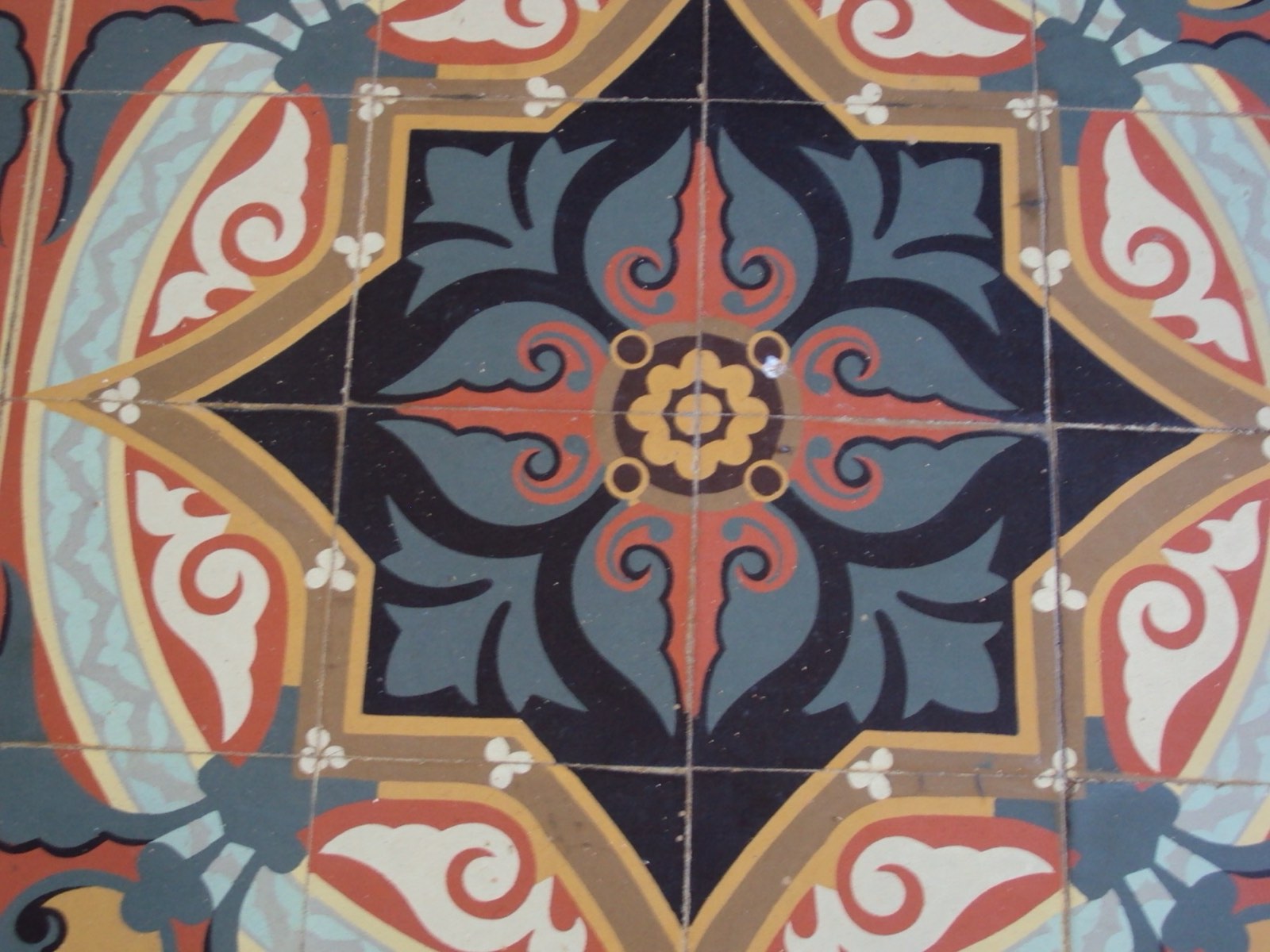
Look down: handmade encaustic cement tiles with geometric patterns.
12 / 13 · Details
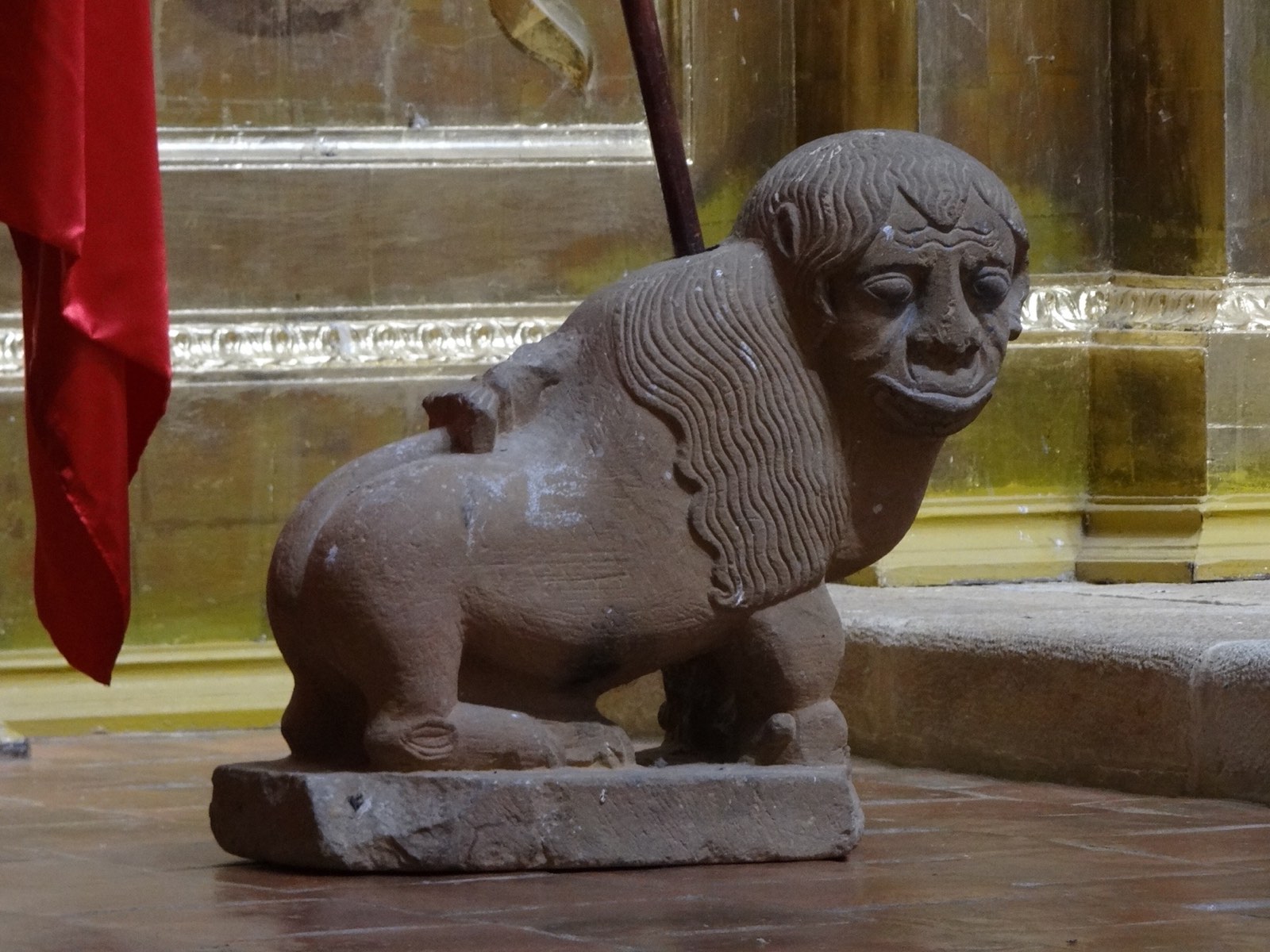
Carved stone is everywhere: the people of Barichara are known as master stonemasons.
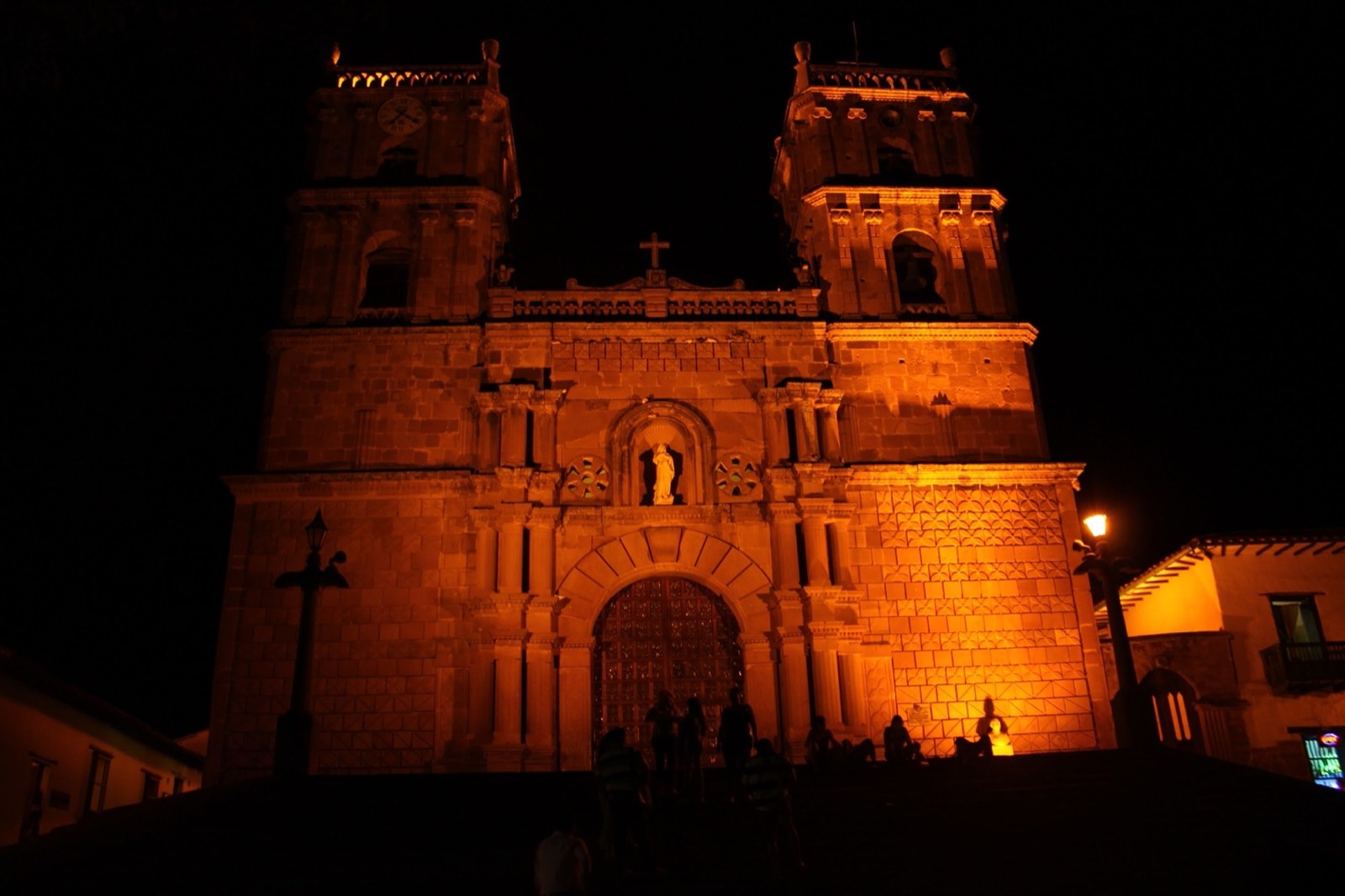
13 / 13 · At night
Lit up at night, the golden stone glows orange over the plaza.
Good to know
Everyone calls it a cathedral, but its official title is a parish: Our Lady of the Conception and Saint Lawrence the Martyr. It presides over the main square and sums up Barichara better than any other building: golden sandstone, the skill of local stonemasons, and a legend.
Opening hours may change around religious celebrations. If you’re visiting on a special day (patron saint festivities, Holy Week), message us on WhatsApp first.
History
According to tradition, a farmer found the image of the Virgin Mary etched in a stone. Locals turned the rock into a place of prayer.
On January 29, Francisco Pradilla y Ayerbe founds Barichara.
Pradilla y Ayerbe buys the land for the parish.
Pedro Azúa, Archbishop of Santa Fe, grants it parish status: Our Lady of the Conception of Barichara and Saint Lawrence the Martyr.
Work begins on the stone church, which local sources say took about twenty years.
Some guides date the current church to 1838; most sources place it in the 18th century.
On August 3, Barichara’s historic center is declared a National Monument.
Stories and fun facts
The parish priest at the time didn’t accept the apparition. The townspeople venerated her anyway and ended up building her church—what locals call the “miracle of the stone.”
Ten monolithic columns, each carved from a single block, about 16 feet (5 m) tall and over 2 feet (70 cm) thick. Tradition says each one stands for a commandment.
Although everyone calls it a cathedral, the title it received in 1751 is that of a parish: Our Lady of the Conception and Saint Lawrence the Martyr.
That’s the nickname for people from Barichara, known as some of the finest stone carvers in Colombia. The cathedral is their great collective work.
Barichara means “a place to rest” in the language of the Guane, the region’s Indigenous people.
Gallery
Tap a photo to see it full size.
On video

Barichara, Santander, Colombia from the air by drone · Aventure Colombia (America Salvaje) on YouTube. The cathedral’s dome and towers appear in the opening shots.
Location
The cathedral stands on the main square. Almost every walk around town starts here.
Message us and we’ll help you plan your visit to the Cathedral and pair it with other spots in Barichara.
Message us on WhatsAppKeep exploring
Sources
We only share what we could verify. When sources disagree, we say so. Accessed October 1, 2026.
altar: Kamilokardona · CC BY-SA 3.0 · Wikimedia Commons
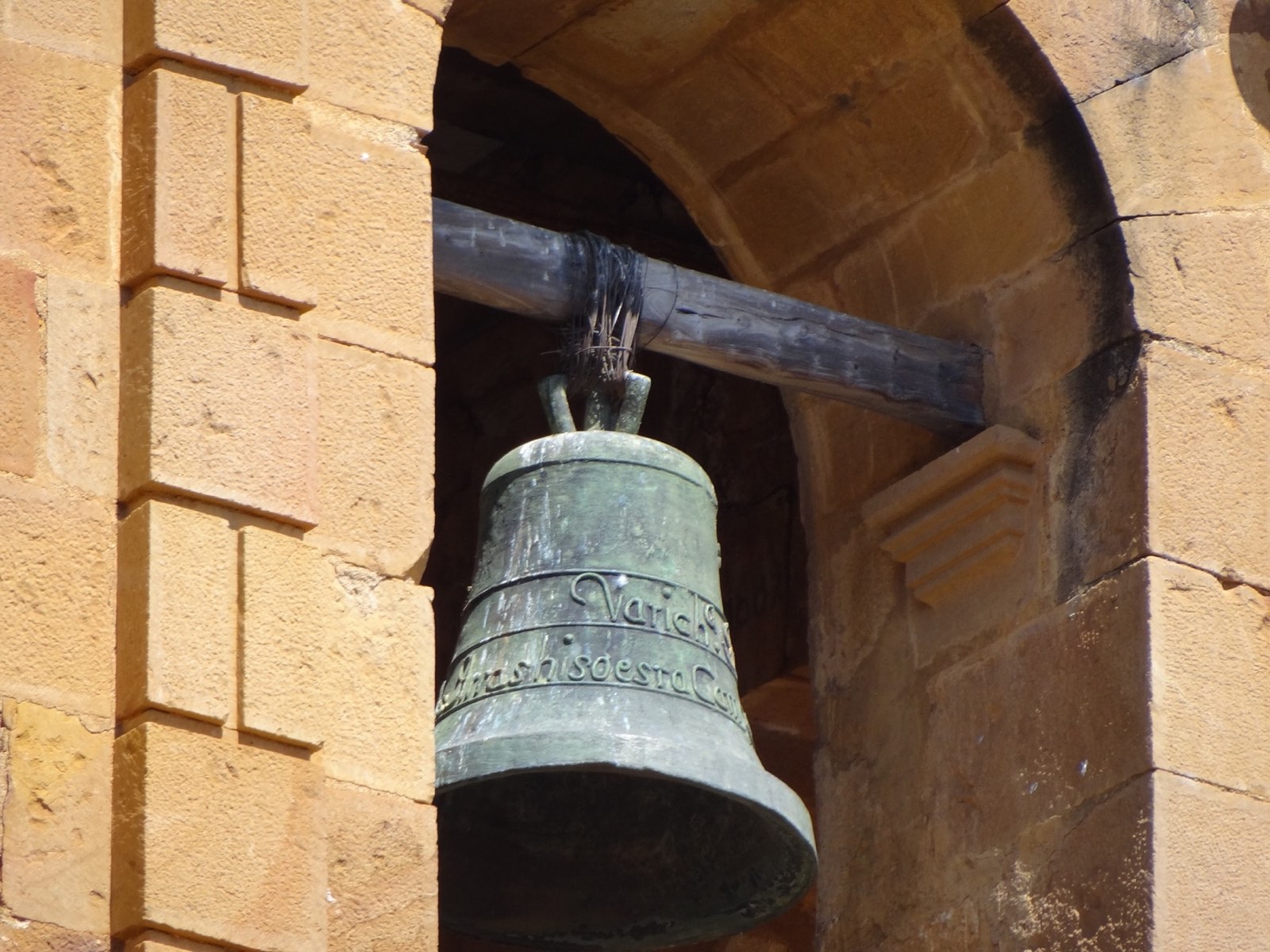
campana: Kamilokardona · CC BY-SA 3.0 · Wikimedia Commons
cupula: Kamilokardona · CC BY-SA 3.0 · Wikimedia Commons
dentro: Kaluaran · CC BY-SA 3.0 · Wikimedia Commons
desde-adentro: Kamilokardona · CC BY-SA 3.0 · Wikimedia Commons
fachada-atardecer: Kamilokardona · CC BY-SA 3.0 · Wikimedia Commons
fachada-dia: Kaluaran · CC BY-SA 3.0 · Wikimedia Commons
fachada-noche: Kaluaran · CC BY-SA 3.0 · Wikimedia Commons
gagnon-02: Bernard Gagnon · CC BY-SA 4.0 · Wikimedia Commons
gagnon-05: Bernard Gagnon · CC BY-SA 4.0 · Wikimedia Commons
gagnon-06: Bernard Gagnon · CC BY-SA 4.0 · Wikimedia Commons
gargola: Kamilokardona · CC BY-SA 3.0 · Wikimedia Commons
lateral: Kamilokardona · CC BY-SA 3.0 · Wikimedia Commons
nave: Kamilokardona · CC BY-SA 3.0 · Wikimedia Commons
ornamento: Kamilokardona · CC BY-SA 3.0 · Wikimedia Commons
piso: Kamilokardona · CC BY-SA 3.0 · Wikimedia Commons
Licenses: CC BY-SA 4.0, CC BY-SA 3.0, or public domain (CC0), depending on the photo.