1
The gravedigger
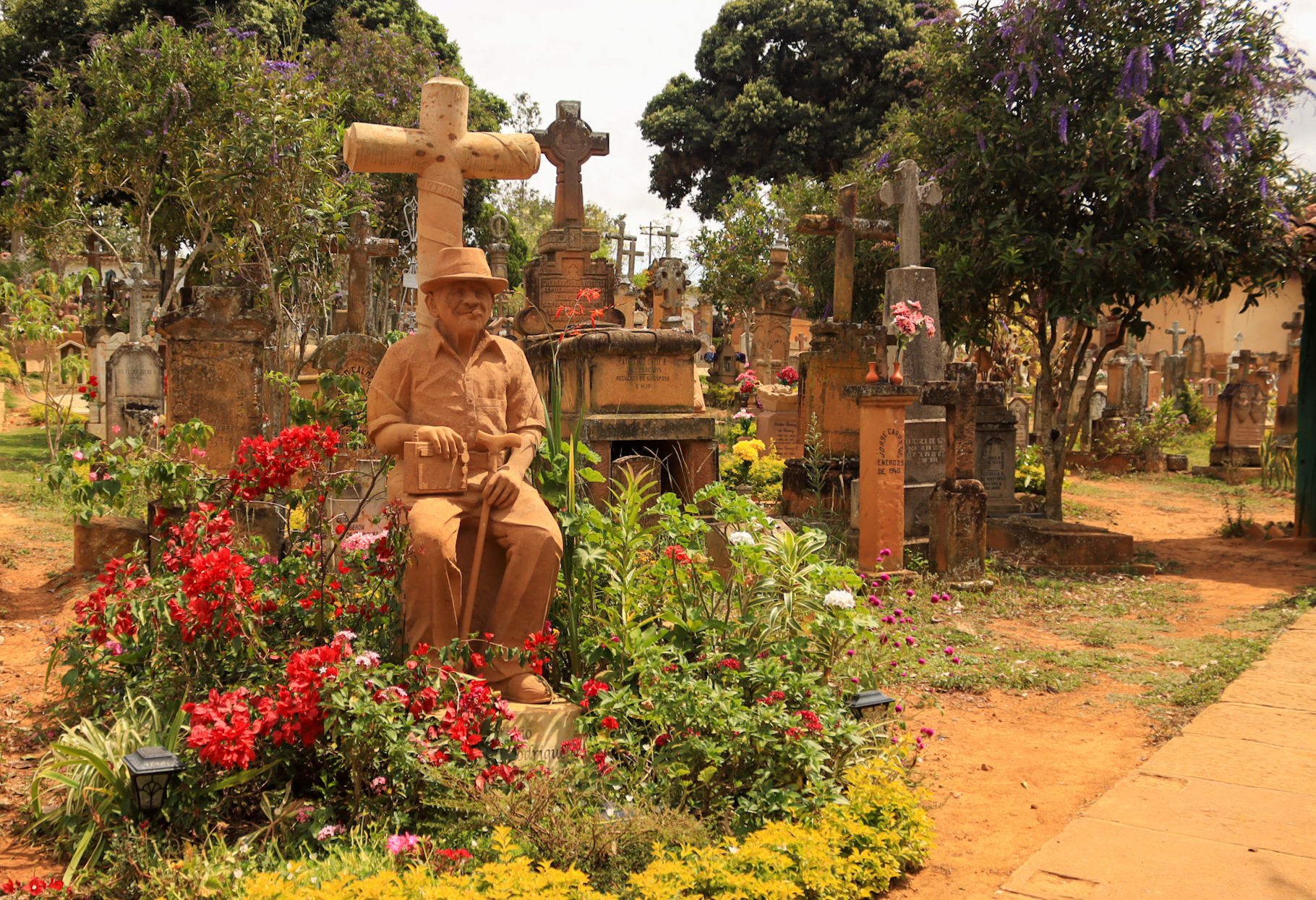
Antonio González Rodríguez looked after this cemetery for more than 50 years. He died in April 2021, and his grave is near the entrance.
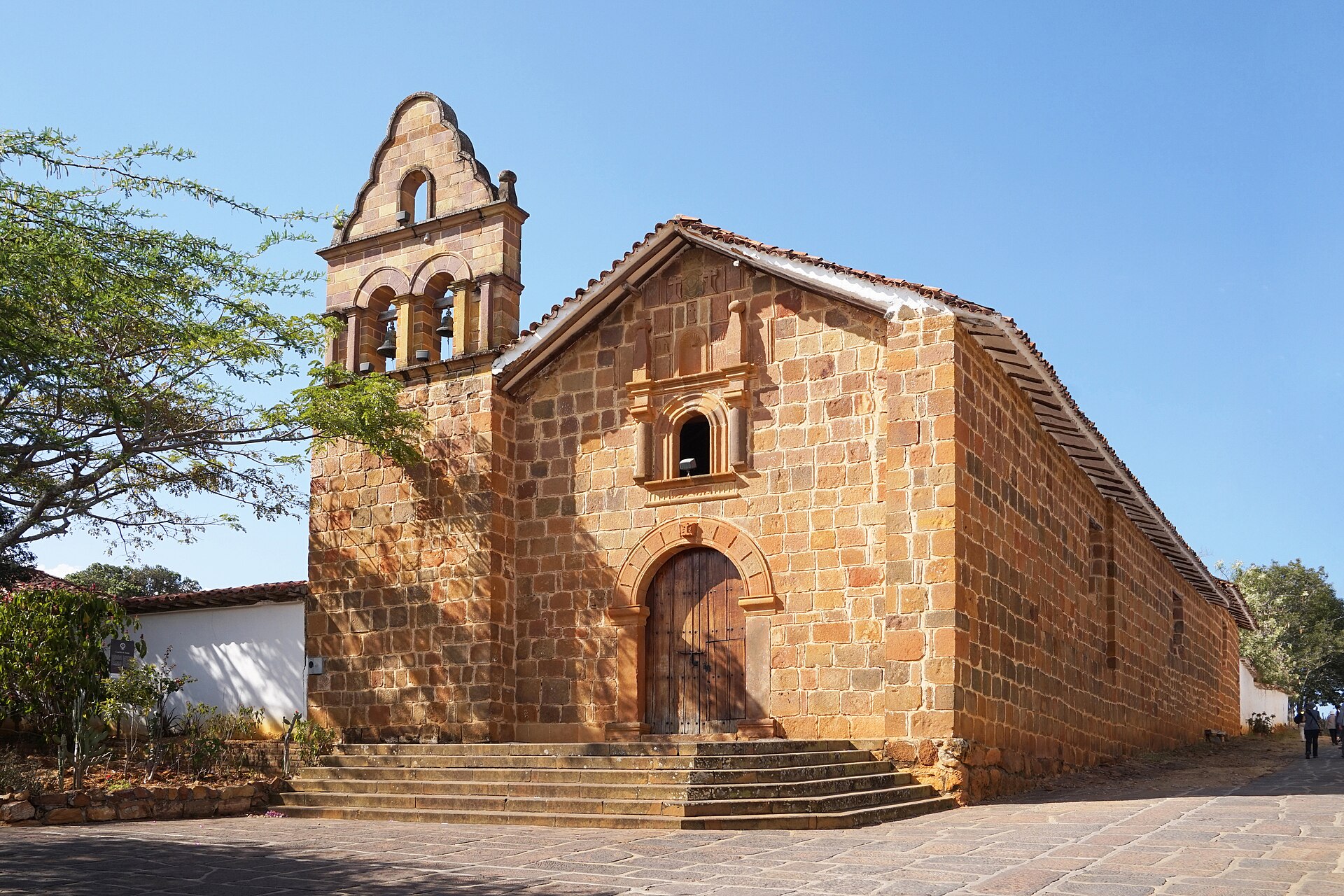
Heritage in stone · Barichara
Graves carved by the town’s stonemasons and a chapel from 1741, about 1,000 feet from the main square.
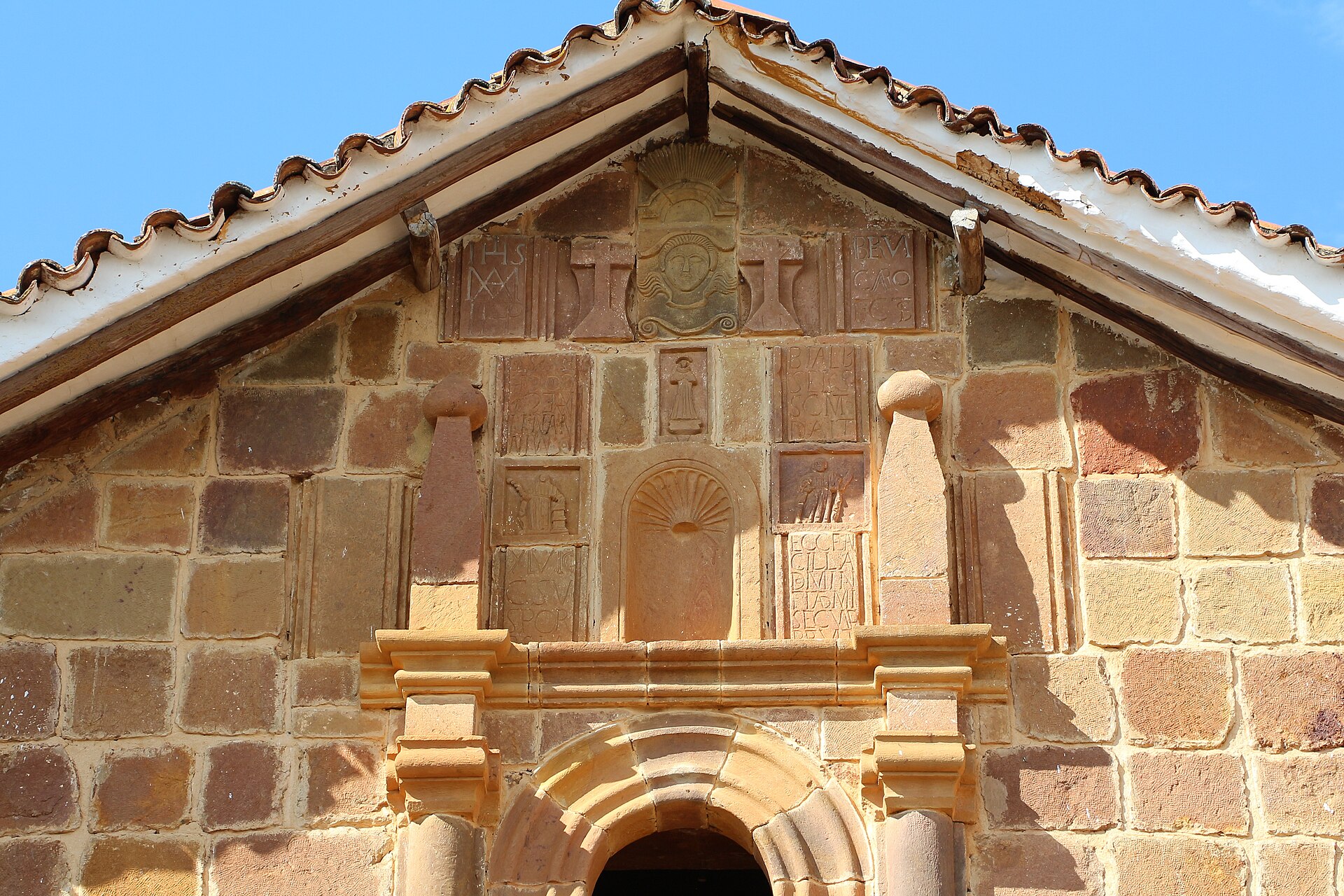
1 / 5 · The chapel
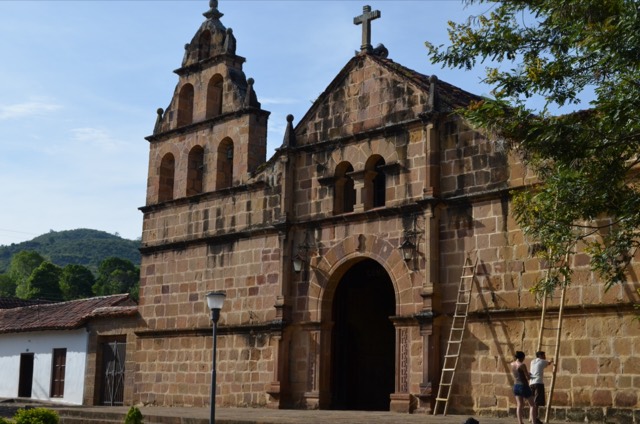
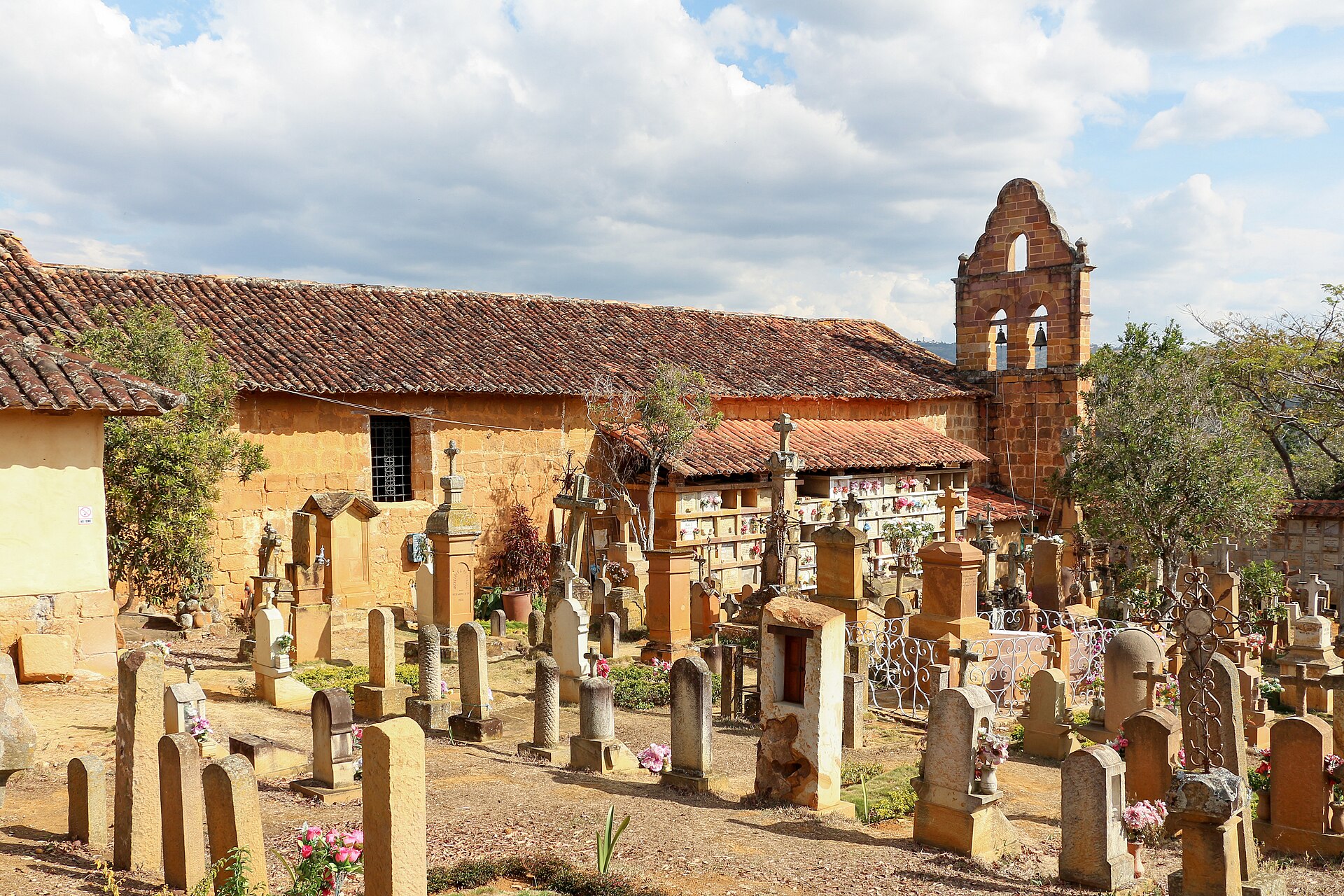
Built entirely of rough-hewn stone, right next to the cemetery.
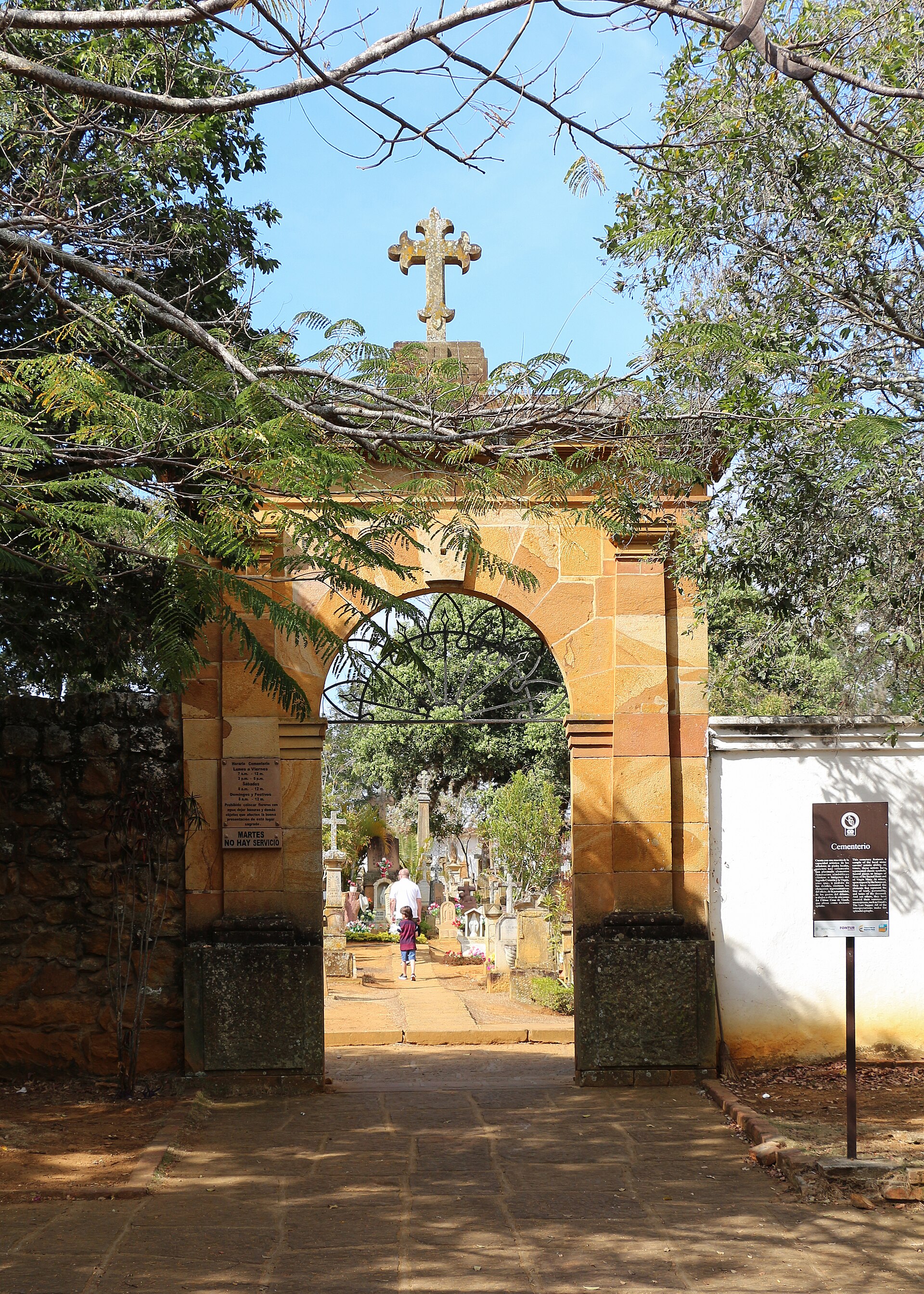
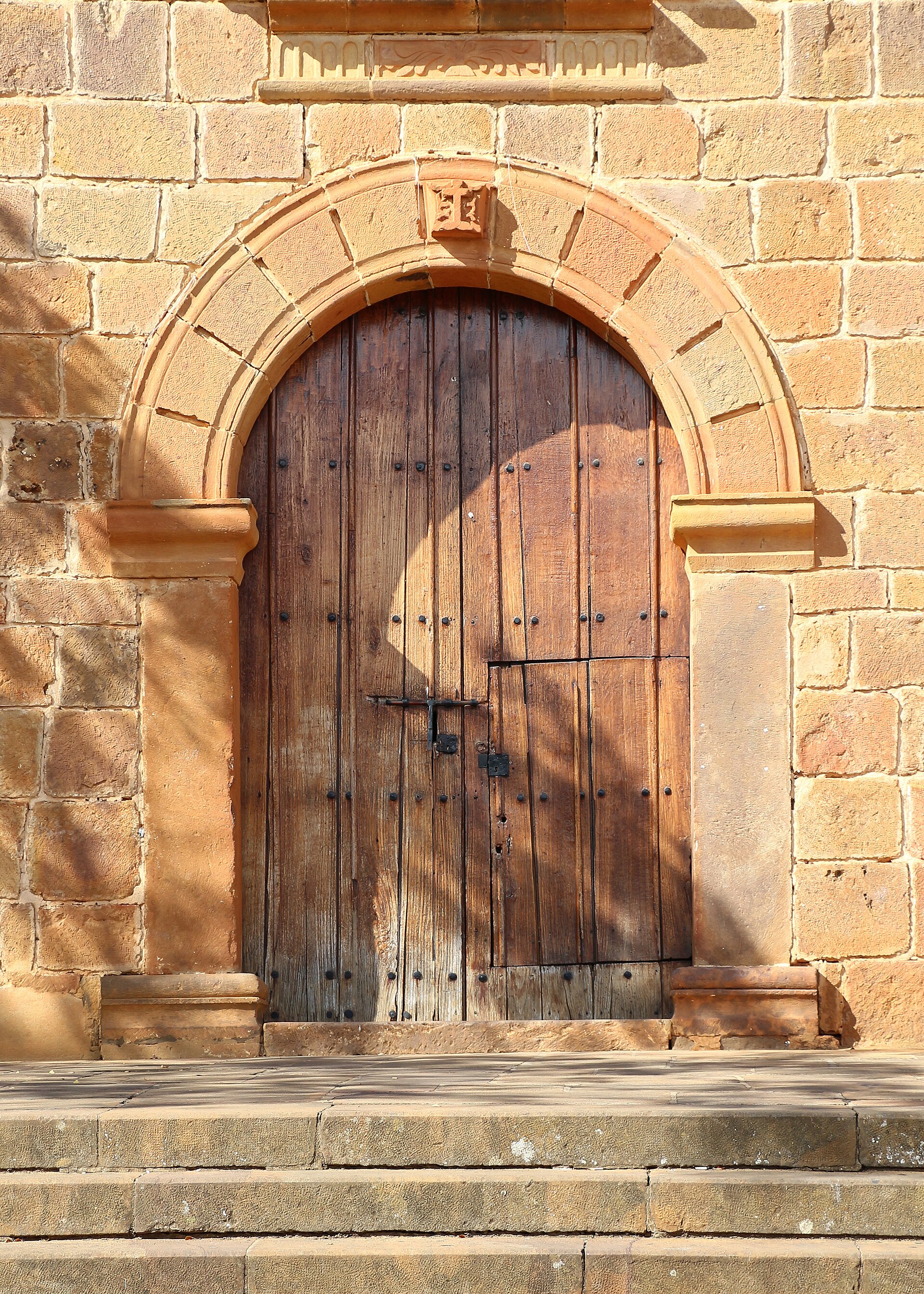
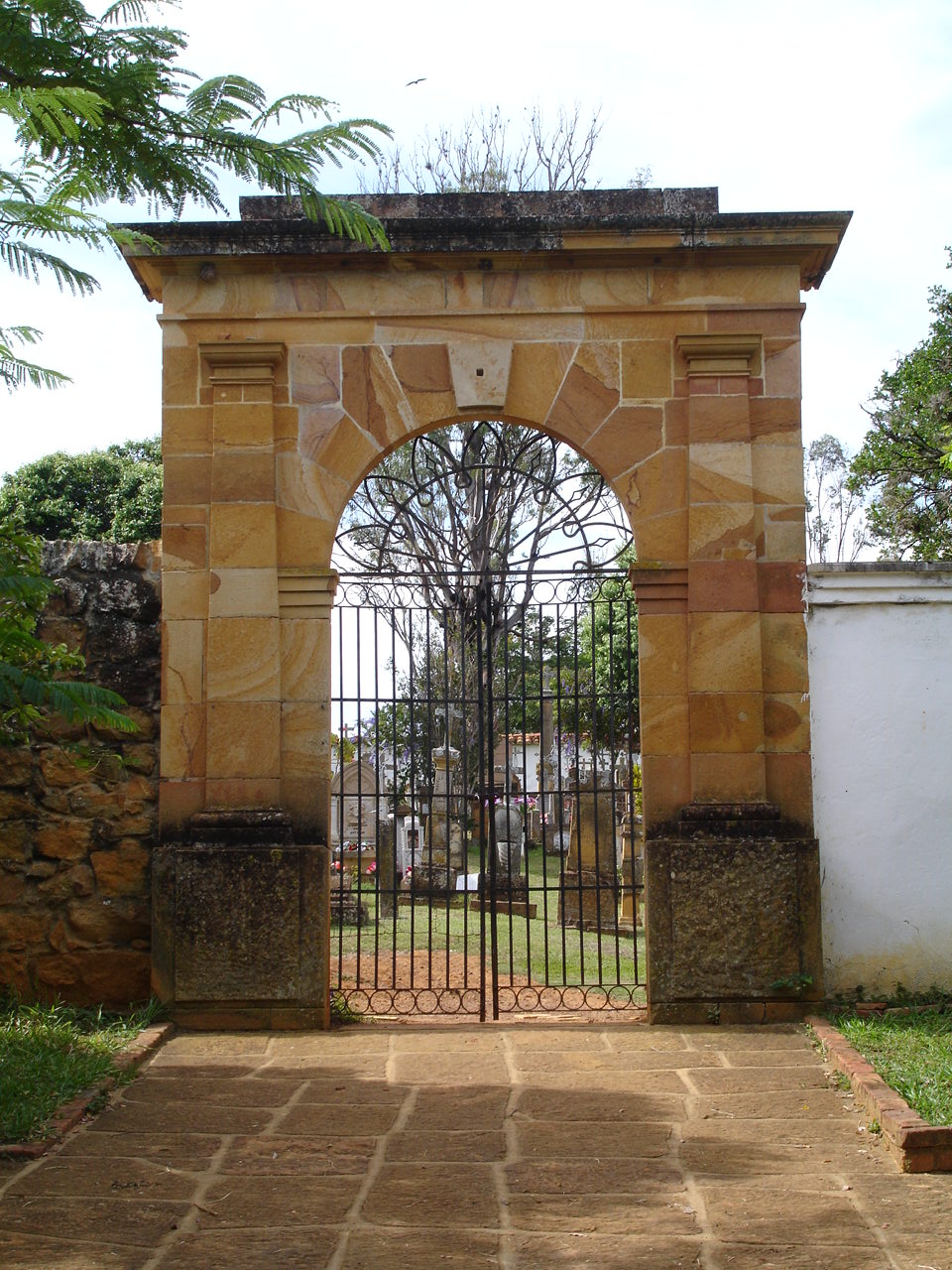
2 / 5 · The entrance
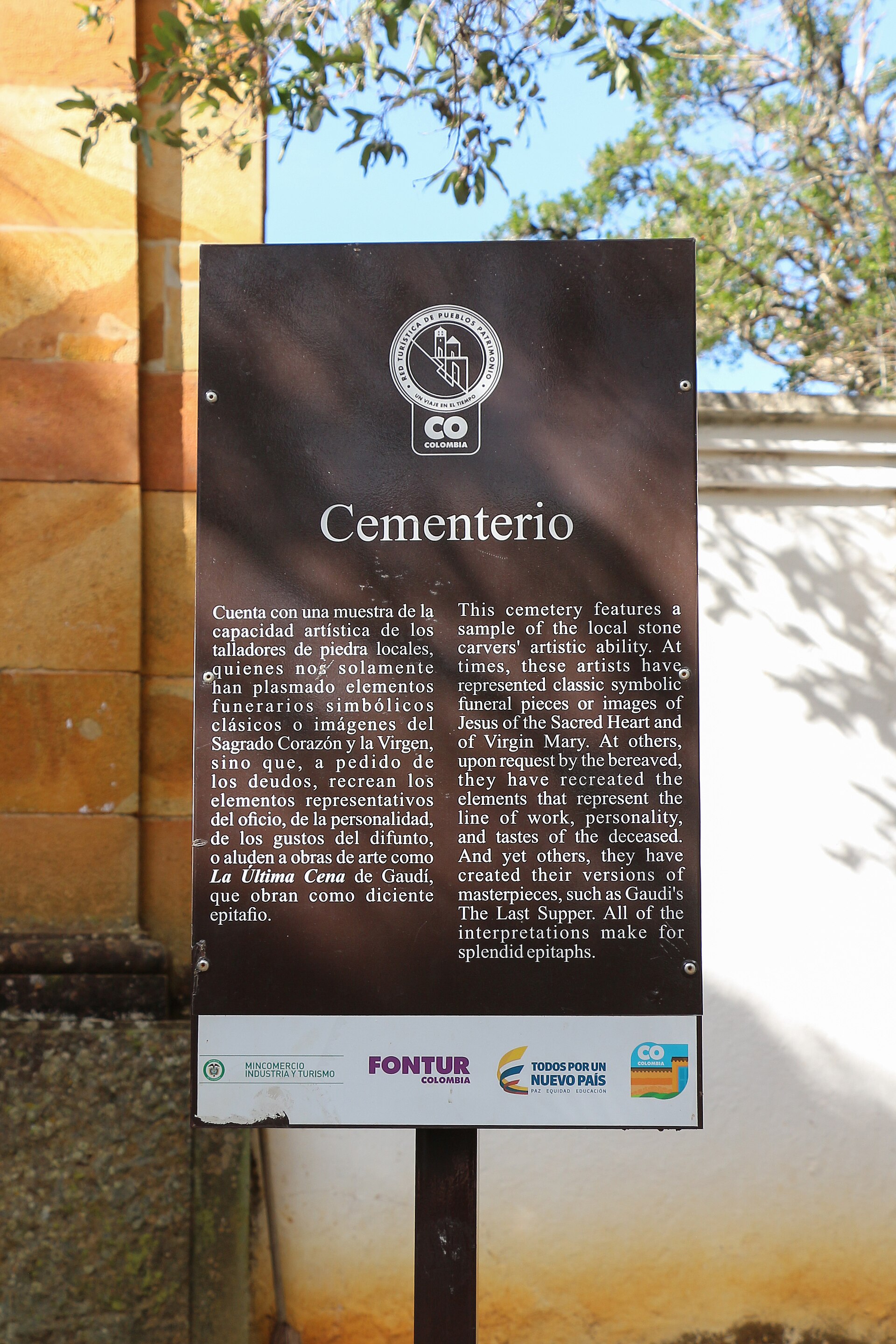
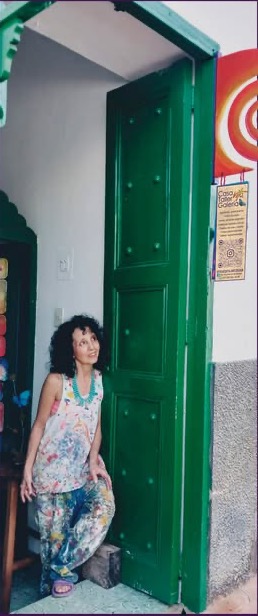
The cemetery gate. To one side, a sign explains what you’re about to see.
3 / 5 · The graves
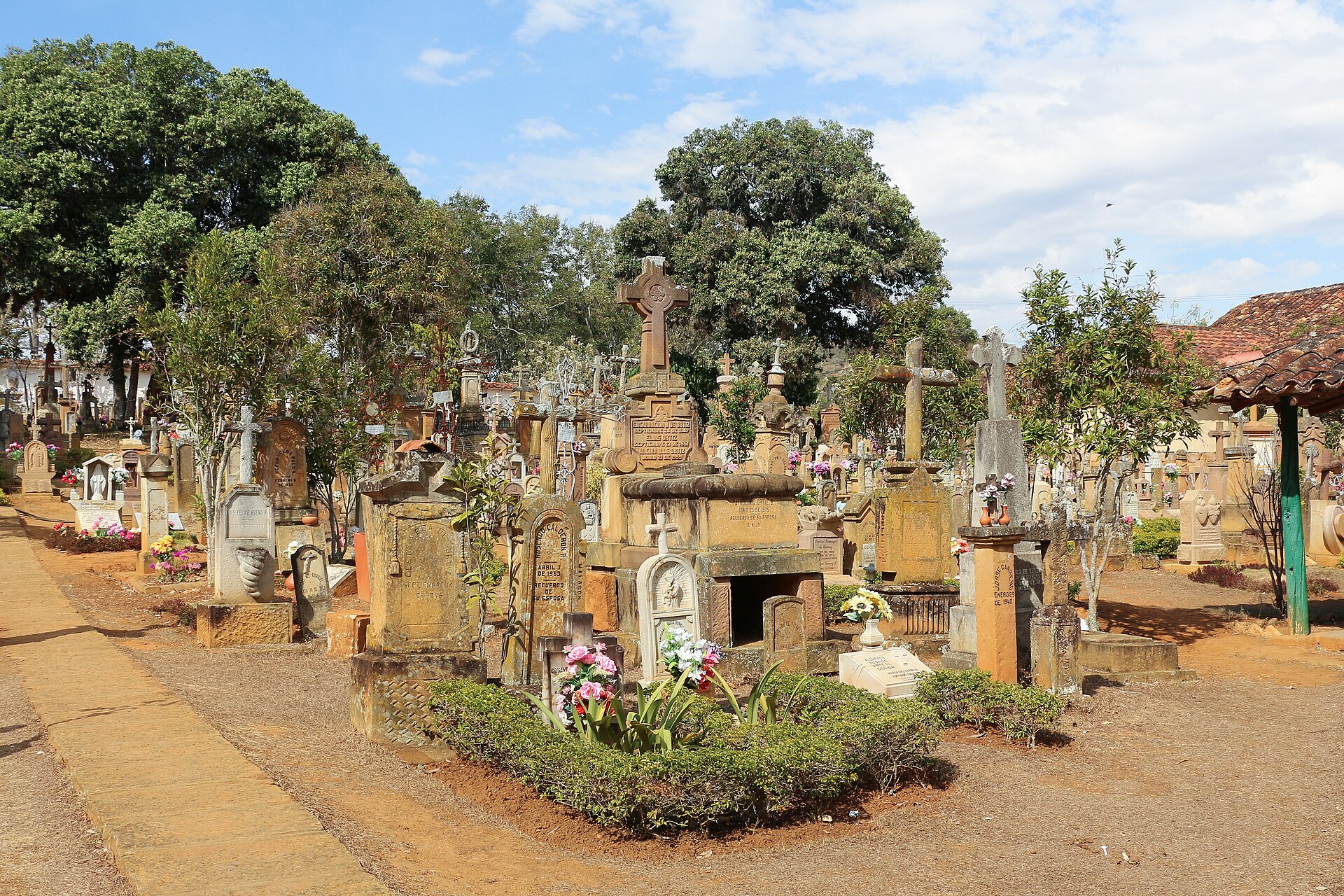
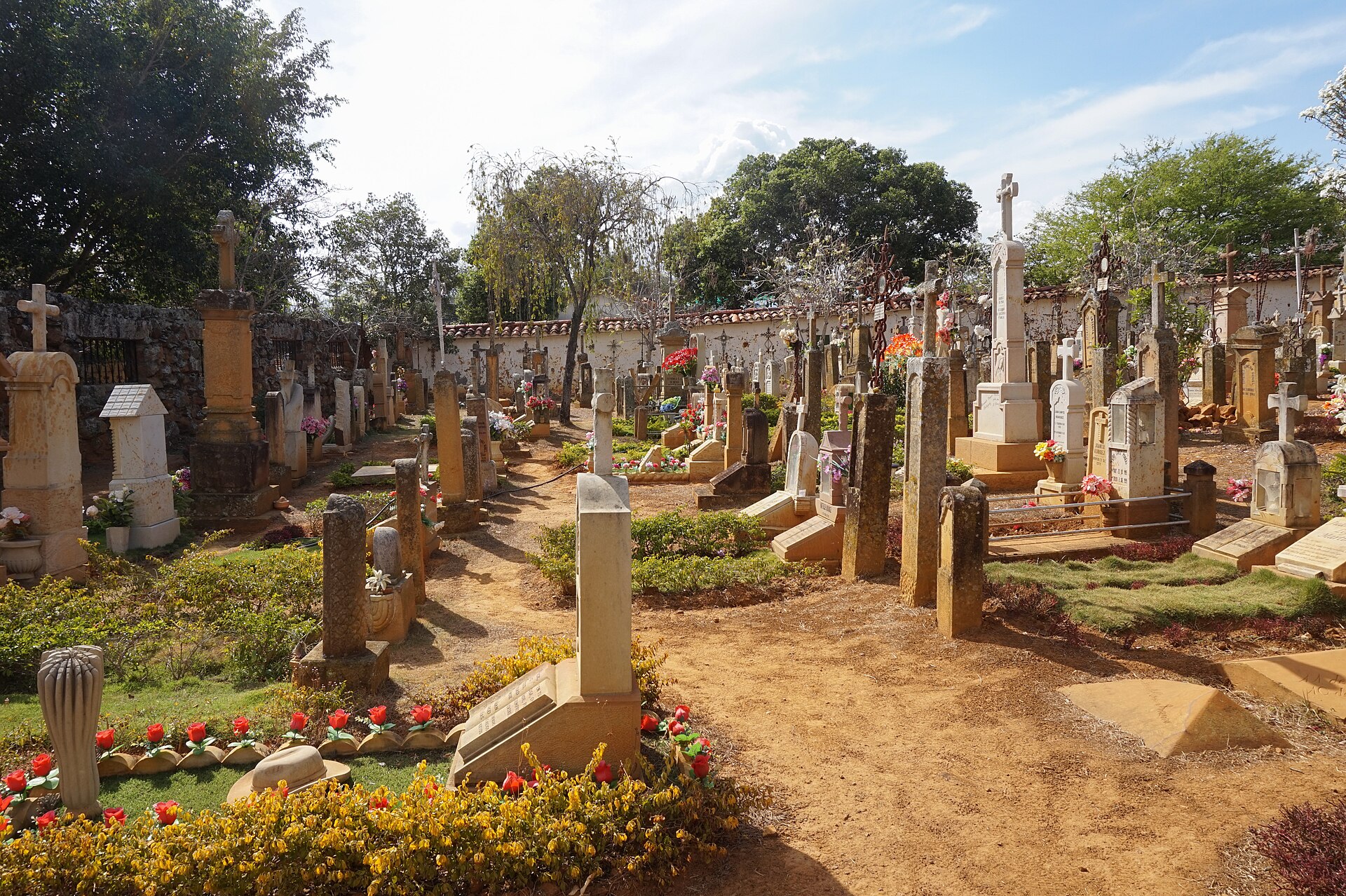
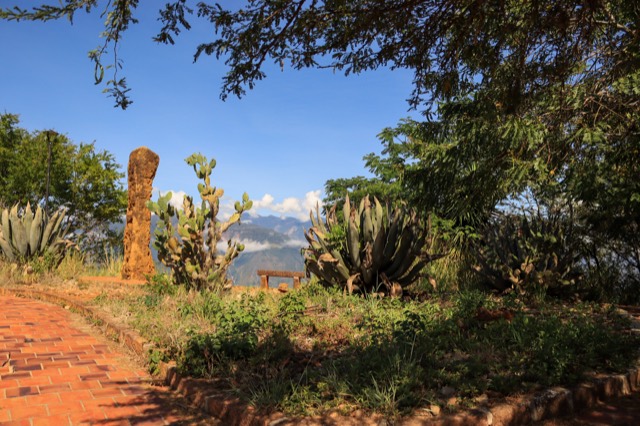
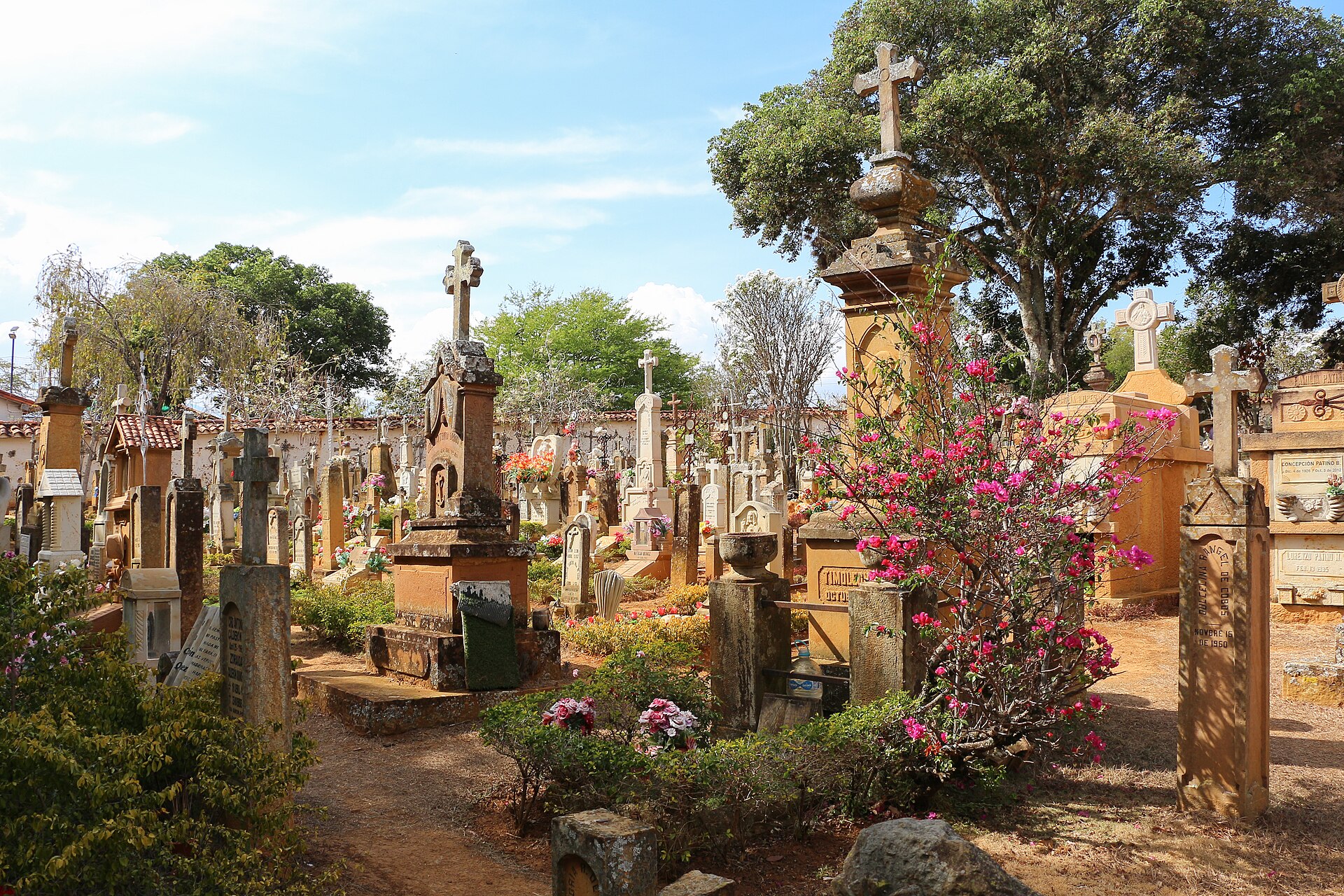
Trees, flowers, and lawns among crosses and carved headstones.
4 / 5 · The trade
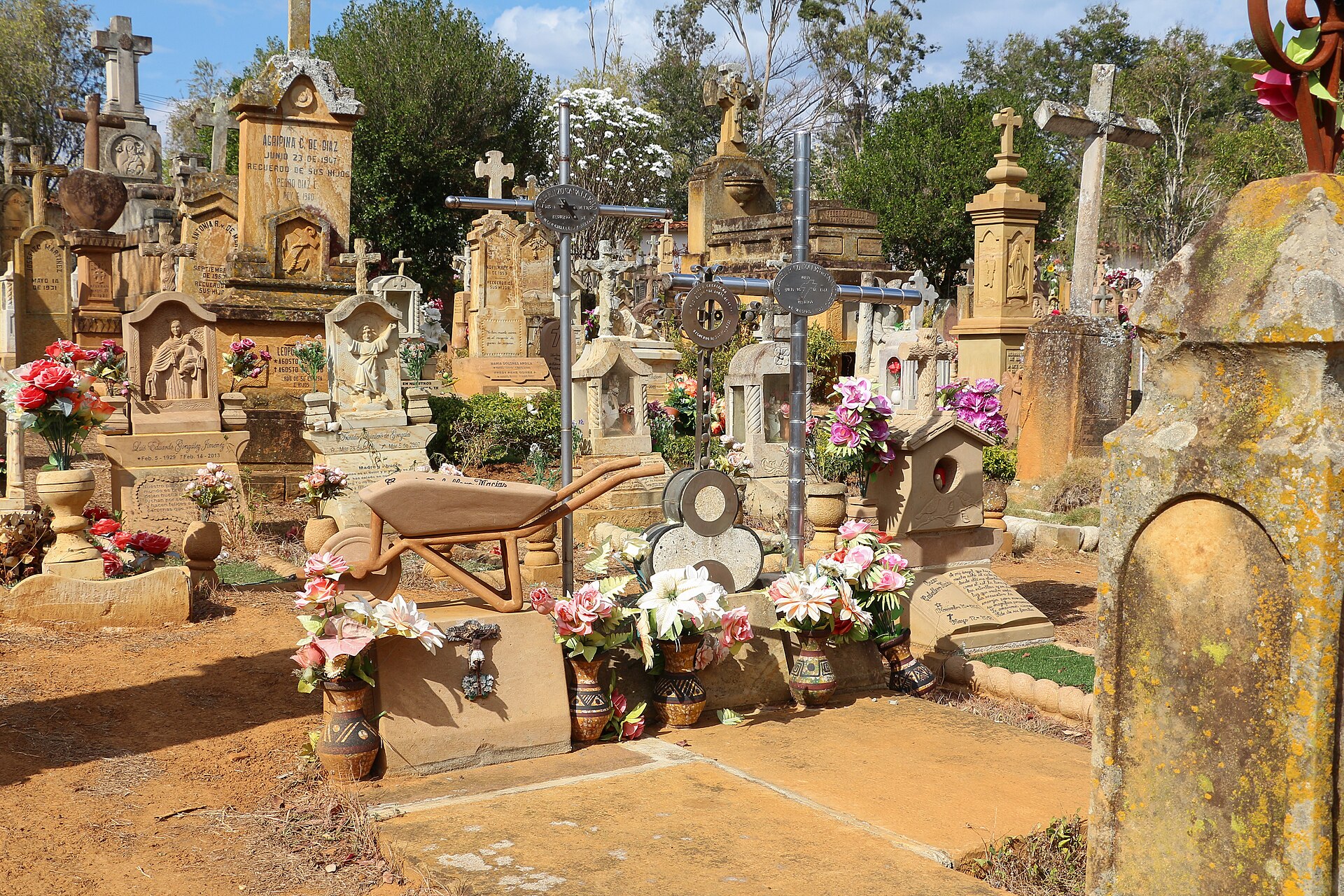
Carvers recreate what the person did in life: teachers, musicians, drivers, carpenters…
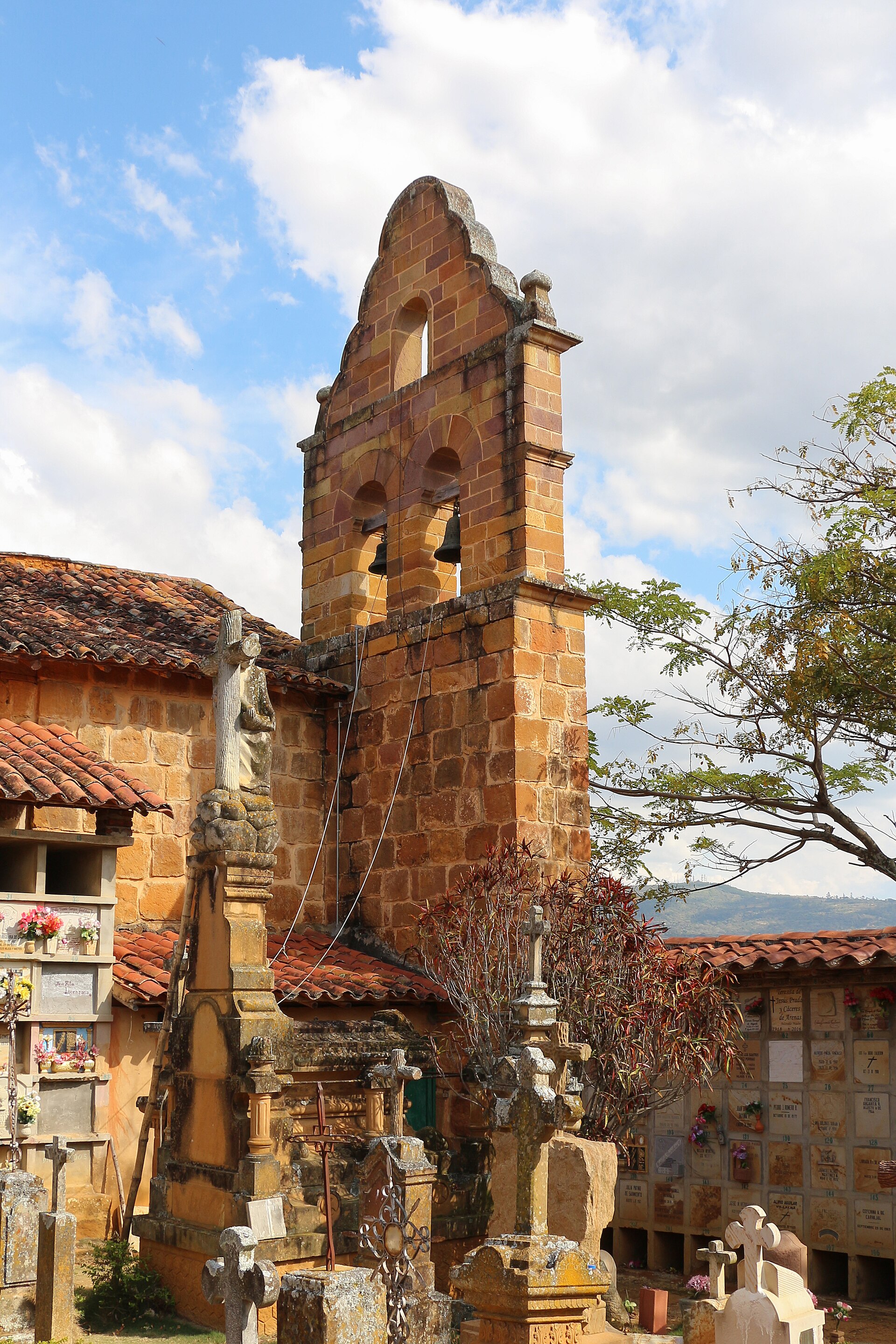
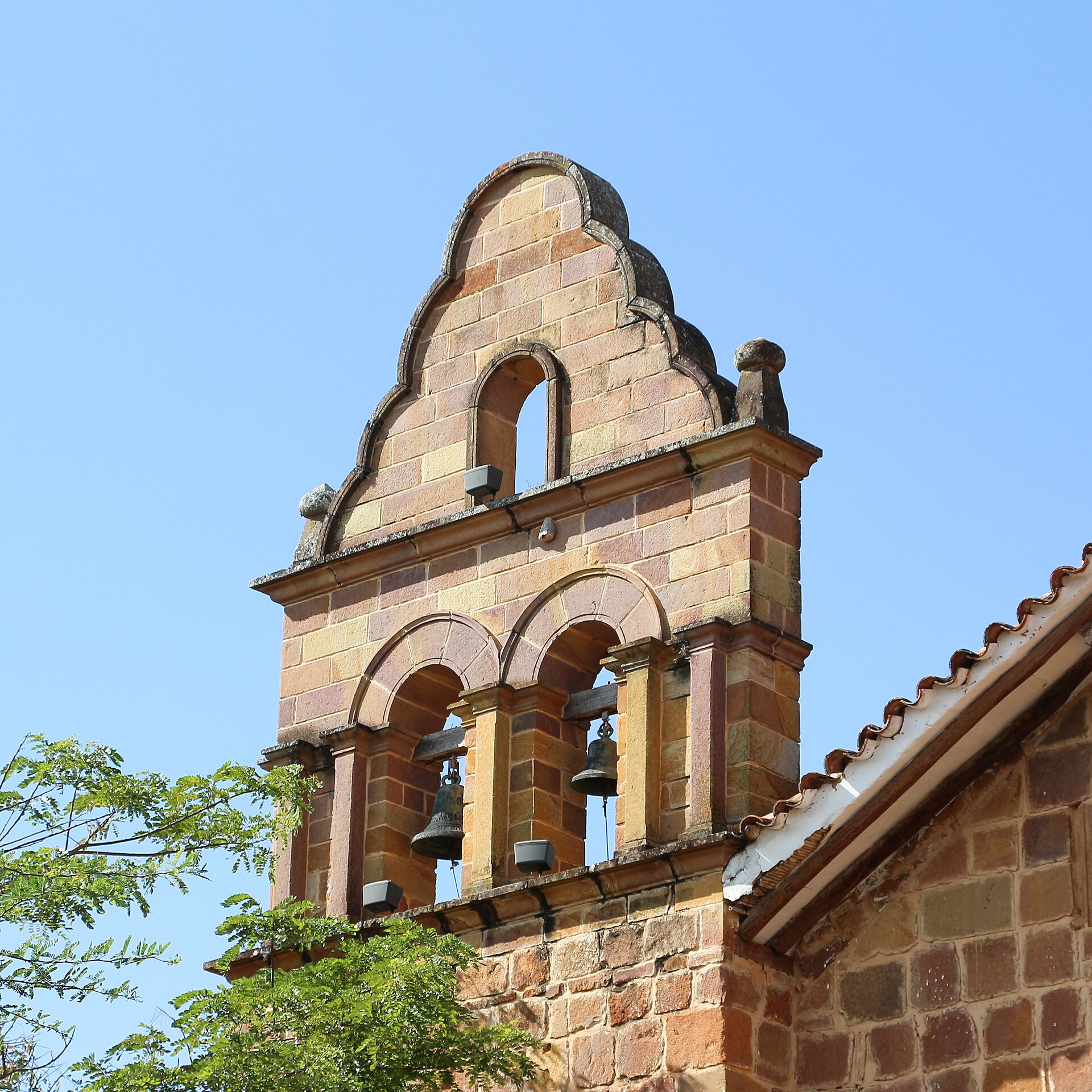
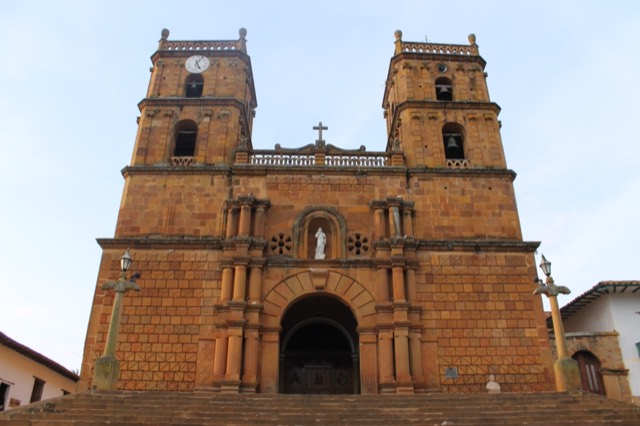
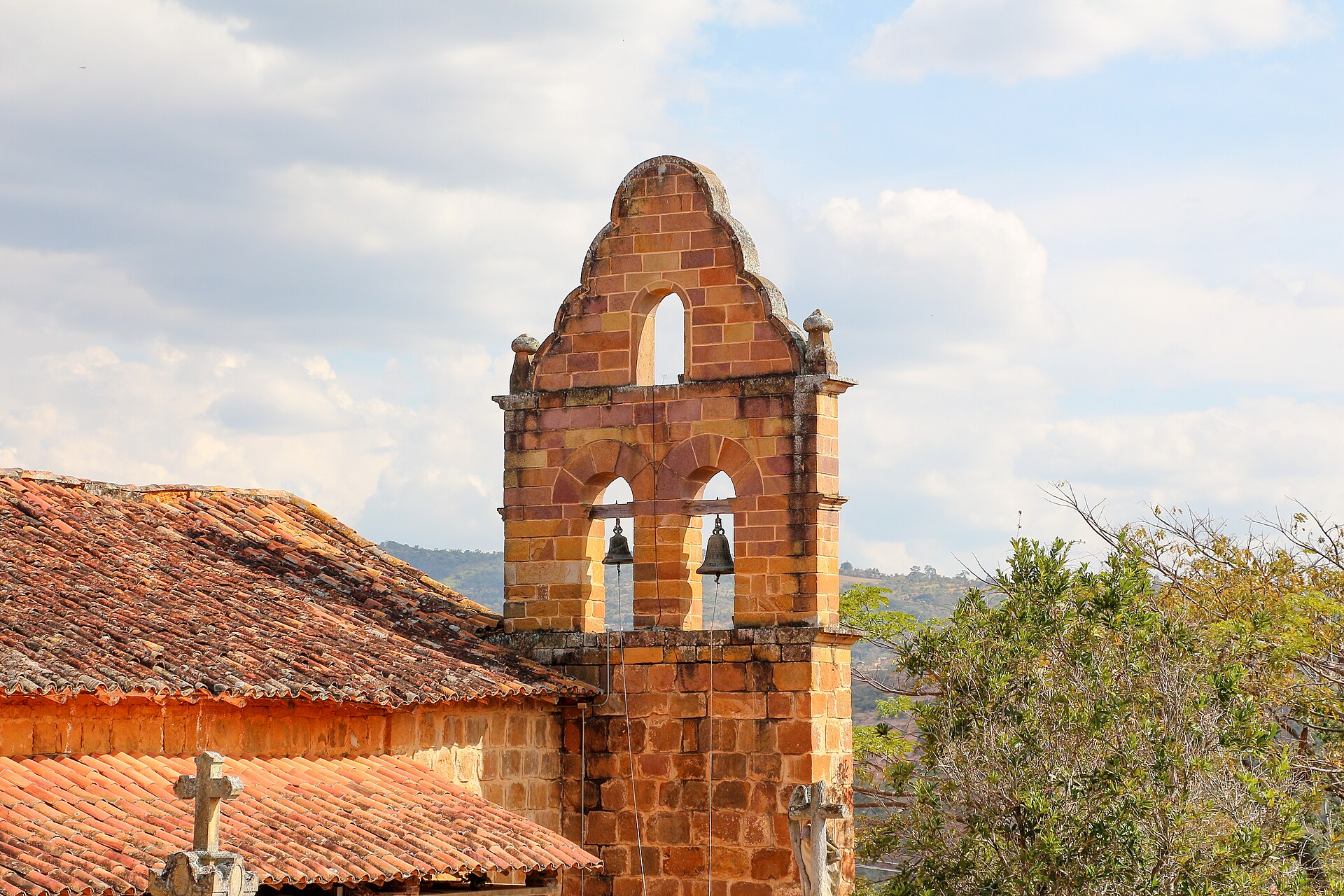
5 / 5 · The bell gable
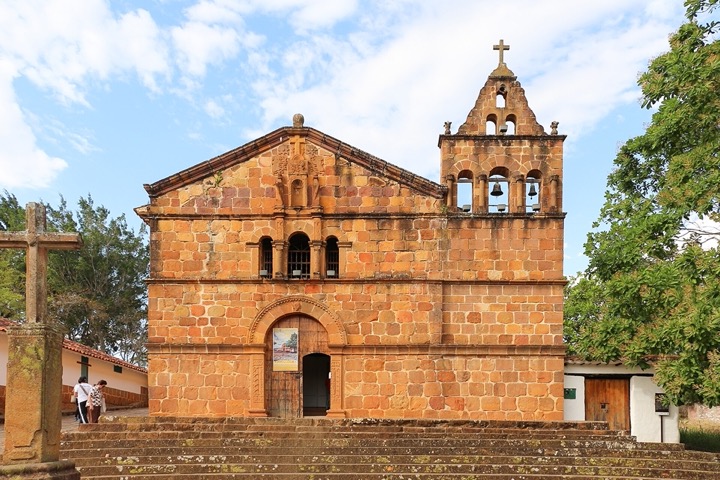
The chapel watches over the cemetery. Its bell gable was rebuilt in 1998.
Good to know
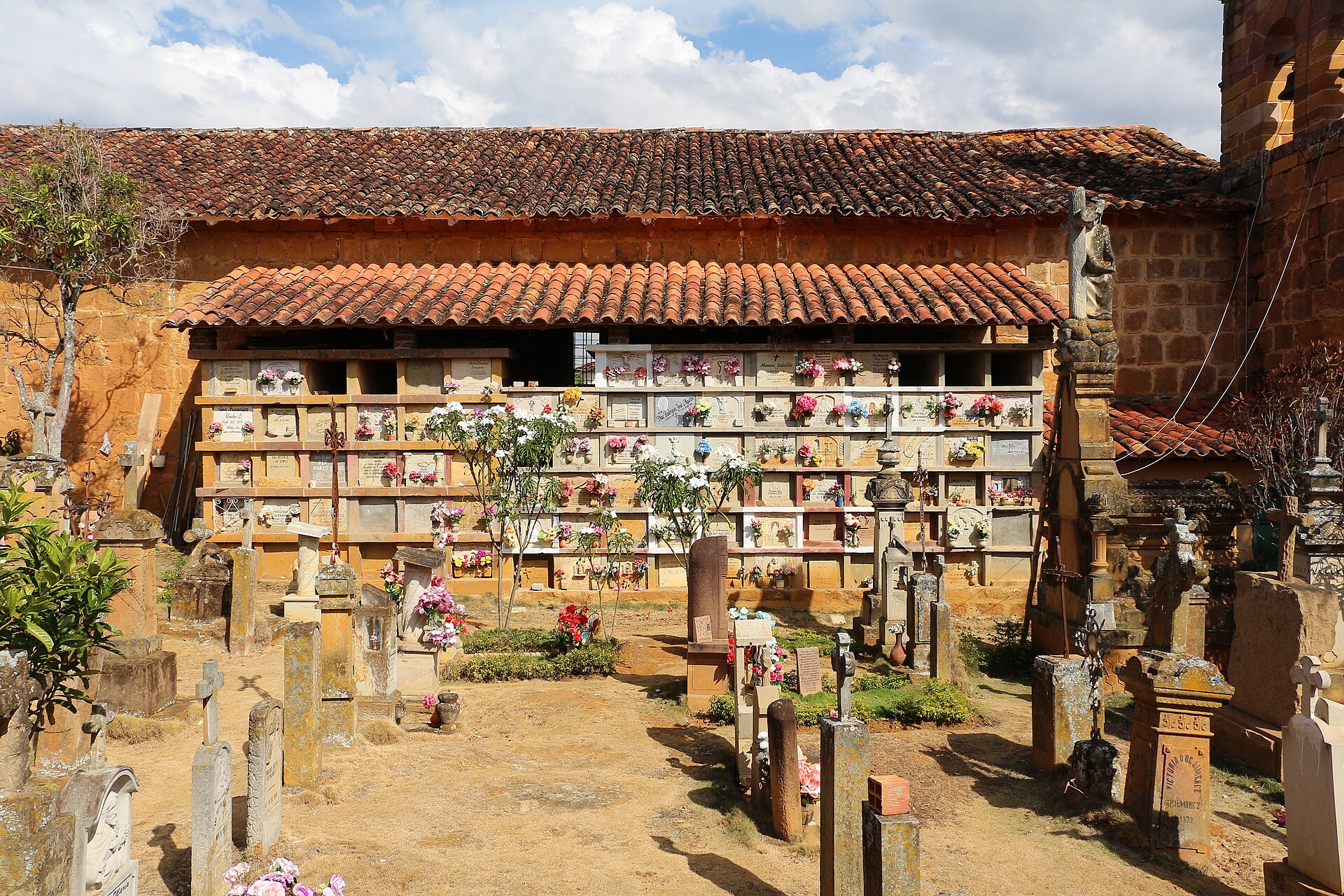
Barichara’s cemetery works like an open-air museum: the town’s stone carvers have filled its graves with funeral symbols, religious images and, at families’ request, each person’s trade and tastes. Next to it stands the Chapel of Jesus, built in 1741. There’s no entrance fee.
Be respectful: this is an active cemetery. Keep your voice down, don’t climb on the graves, and if there’s a burial, come back another time.
An open-air museum
The official sign at the entrance sums it up: the cemetery showcases the skill of local stone carvers. Sometimes they carve classic funeral symbols or images of the Sacred Heart and the Virgin Mary. Other times, at the family’s request, they recreate the trade, personality, and tastes of the deceased. And sometimes they make their own versions of masterpieces.
You’ll find graves of teachers with books and school supplies, musicians with their instruments, drivers with their vehicles, carpenters, goat breeders, and singers.
At the entrance is a replica of The Last Supper carved by sculptor Arsenio Plata for the Rodríguez Díaz family. The sign and several sources attribute it to Gaudí, although the world’s most famous Last Supper is Leonardo da Vinci’s.
Built in 1741 entirely of rough-hewn stone, which gives it a very particular beauty. In 1998, the missing stones of the second and third tiers of its bell gable were rebuilt, restoring its original look. In the small park next door, there’s a stone carving of the risen Jesus.
History
The Chapel of Jesus is built, entirely of rough-hewn stone.
In September, the cemetery’s oldest documented burial takes place: Carmen de García’s, according to El Colombiano.
The chapel receives a polished stone altar table, a gift from Lorenzo Martínez.
The missing stones of the bell gable are rebuilt, and the chapel regains its original look.
It’s an active cemetery and an open-air museum: carvers still leave their mark on the graves.
Stories and fun facts
Antonio González Rodríguez looked after this cemetery for more than 50 years. He died in April 2021, and his grave is near the entrance.
The grave of Martín Galvis, a stone carver, features his likeness and three iron chisels he used in life.
On Luis Francisco Campos’s grave, two bottles of Águila beer serve as flower vases—a nod to his tastes.
It’s about 1,000 feet from here to the main square and the Cathedral.
Gallery
Tap a photo to see it full size.
Location
Message us and we’ll help you plan your visit to the Cemetery and the Chapel of Jesus and pair it with other spots in Barichara.
Message us on WhatsAppSources
We only share what we could verify. When sources disagree, we say so. Accessed October 1, 2026.
cj-1: Bernard Gagnon · CC BY-SA 4.0 · Wikimedia Commons
cj-2: Bernard Gagnon · CC BY-SA 4.0 · Wikimedia Commons
cj-3: Bernard Gagnon · CC BY-SA 4.0 · Wikimedia Commons
cj-4: Bernard Gagnon · CC BY-SA 4.0 · Wikimedia Commons
cj-5: Bernard Gagnon · CC BY-SA 4.0 · Wikimedia Commons
cm-1: Bernard Gagnon · CC BY-SA 4.0 · Wikimedia Commons
cm-2: Bernard Gagnon · CC BY-SA 4.0 · Wikimedia Commons
cm-3: Bernard Gagnon · CC BY-SA 4.0 · Wikimedia Commons
cm-4: Bernard Gagnon · CC BY-SA 4.0 · Wikimedia Commons
cm-5: Bernard Gagnon · CC BY-SA 4.0 · Wikimedia Commons
cm-6: Bernard Gagnon · CC BY-SA 4.0 · Wikimedia Commons
cm-7: Bernard Gagnon · CC BY-SA 4.0 · Wikimedia Commons
cm-8: Bernard Gagnon · CC BY-SA 4.0 · Wikimedia Commons
cm-9: Bernard Gagnon · CC BY-SA 4.0 · Wikimedia Commons
cm-puerta: erwing hermogenes ch… · CC BY 3.0 · Wikimedia Commons
cm-talla: K.sarmientorojas · CC BY-SA 4.0 · Wikimedia Commons
Licenses: CC BY-SA 4.0, CC BY-SA 3.0, or public domain (CC0), depending on the photo.