1
It was once a municipality
Until 1888, Guane was its own municipality. Its decline turned it into a village under Barichara.
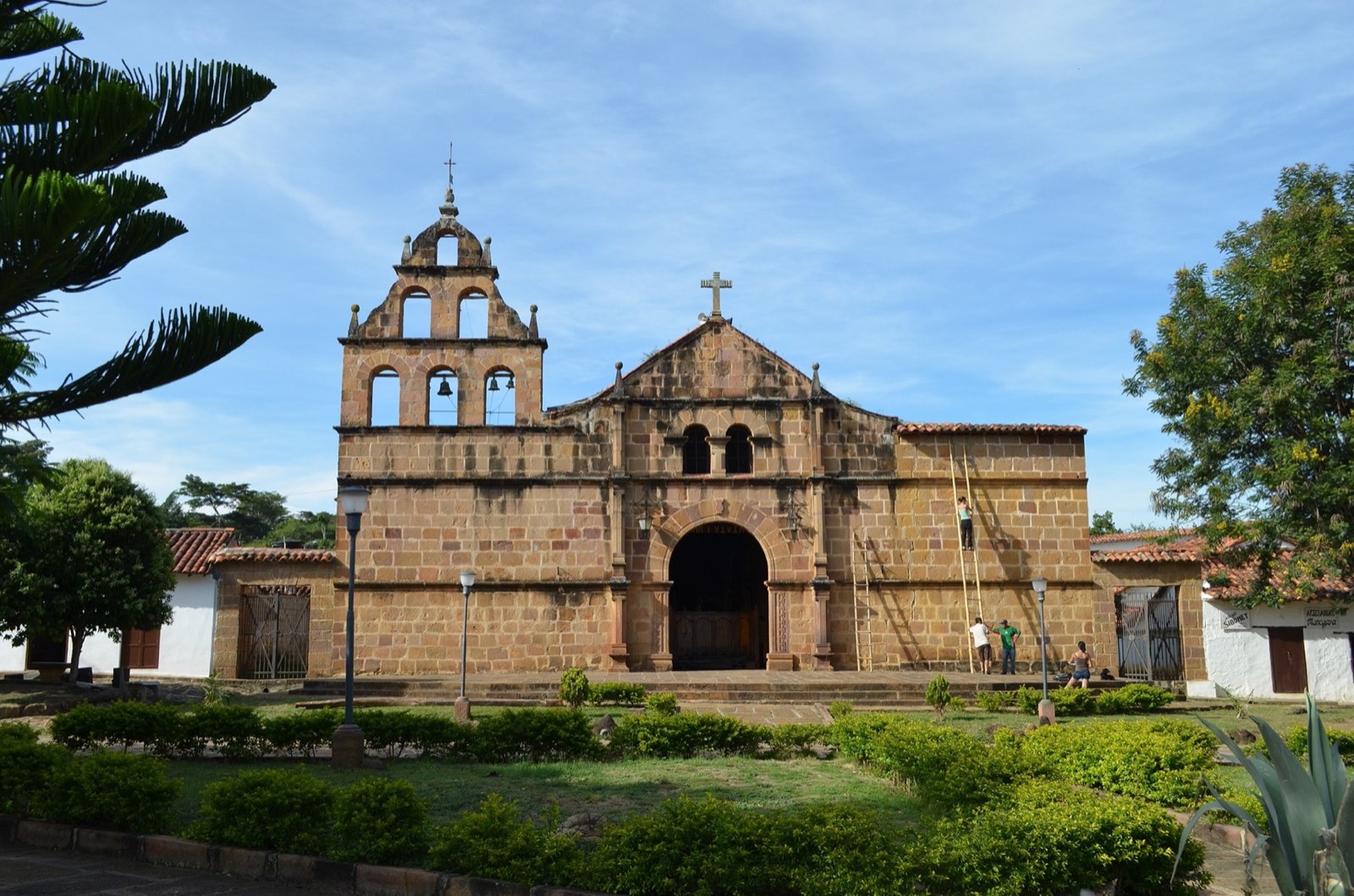
Part of Barichara · 5.6 miles (9 km) away
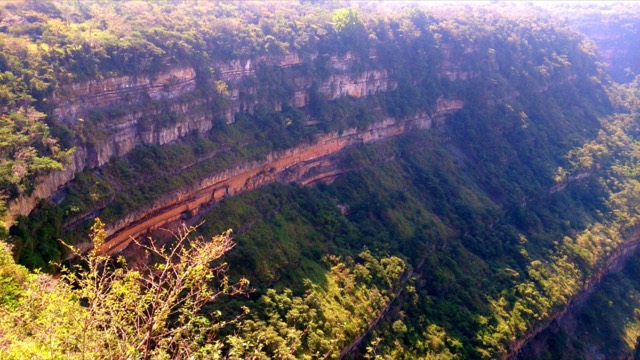
Stone streets, an 18th-century church, and a lookout over the Suárez canyon, at the end of the Camino Real.
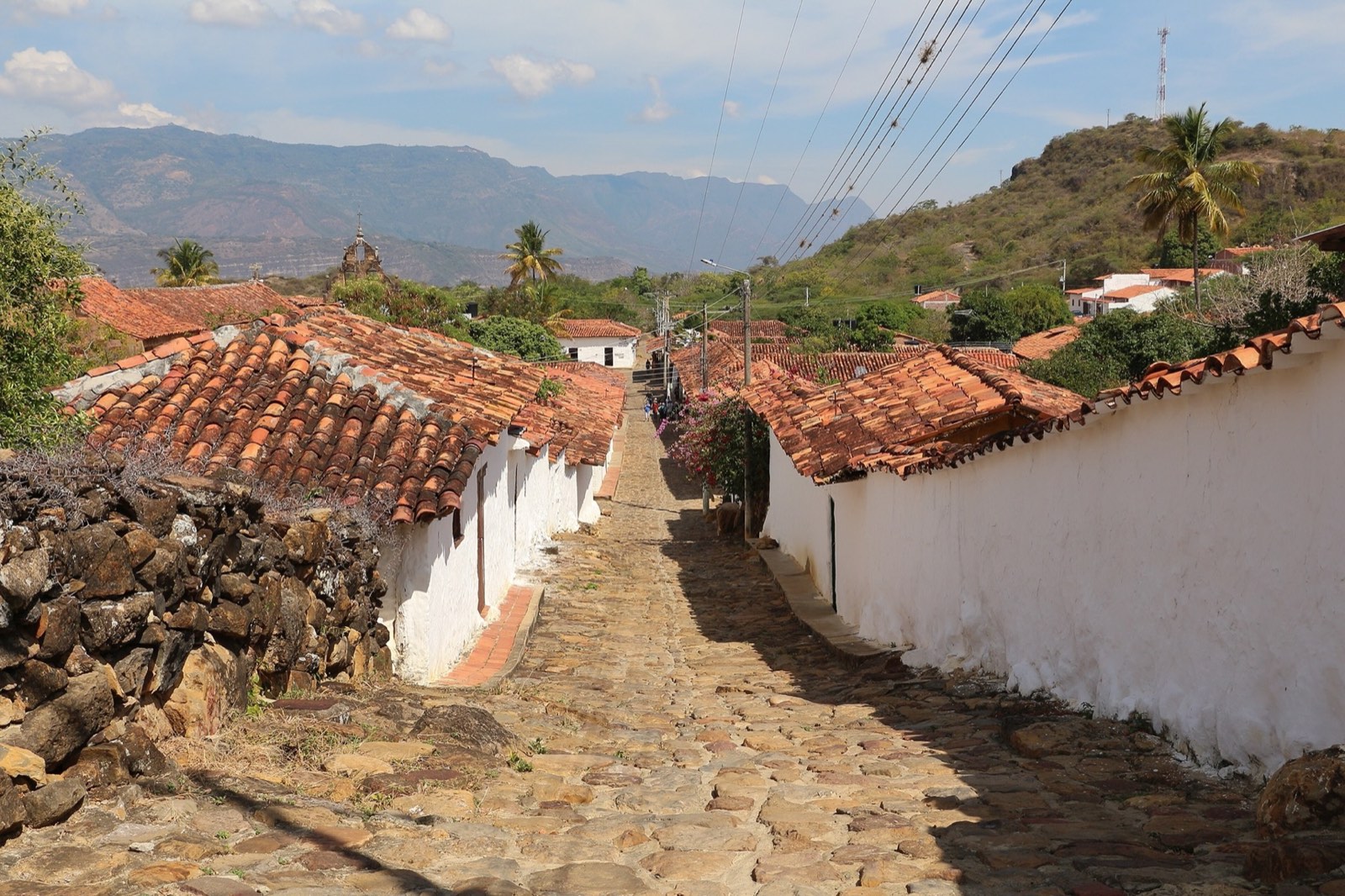
1 / 9 · The streets
Cobblestone streets slope down between whitewashed houses and clay-tile roofs.
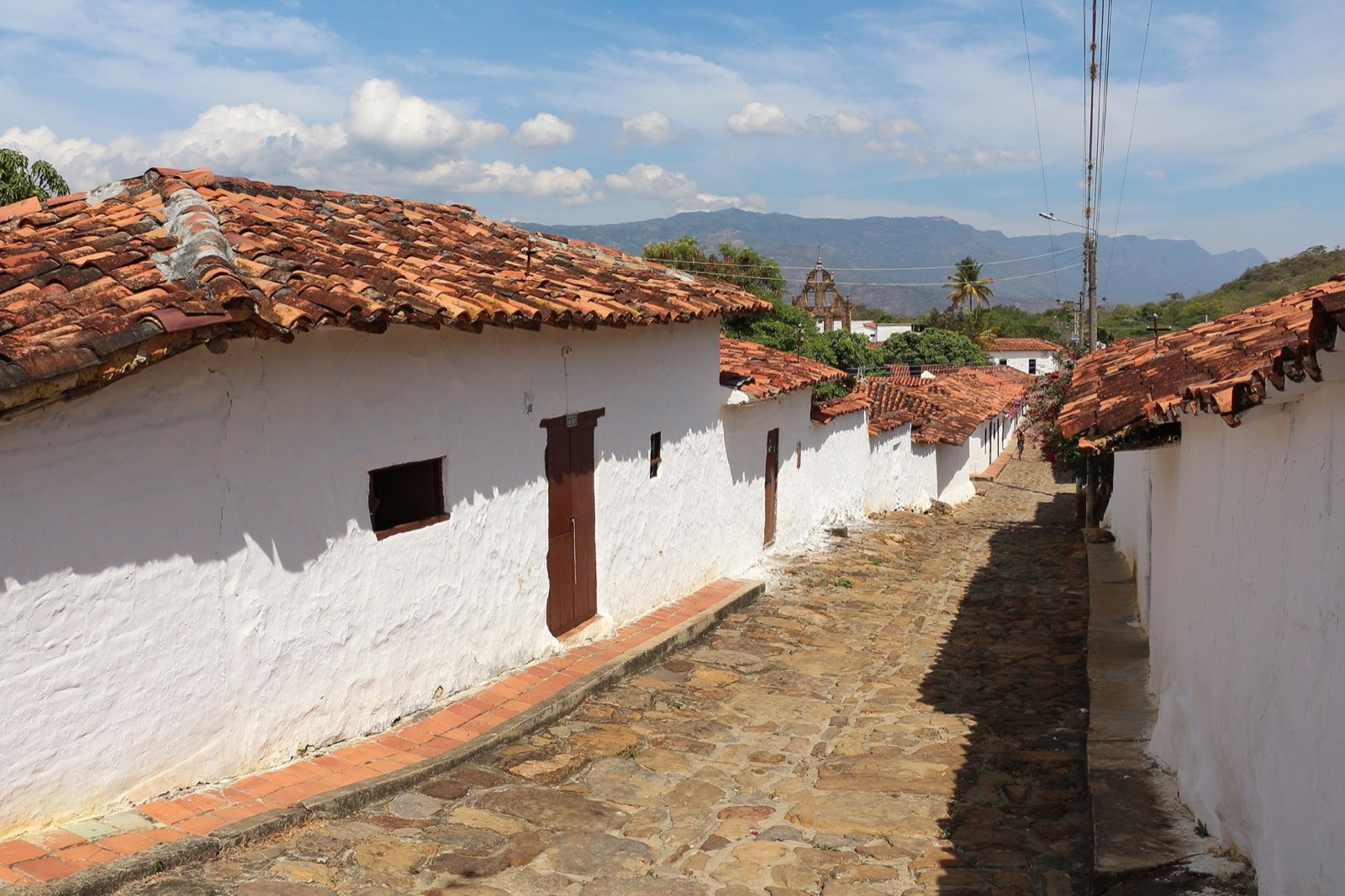
2 / 9 · The pace
Guane is a quiet village about 15 minutes by car from Barichara.
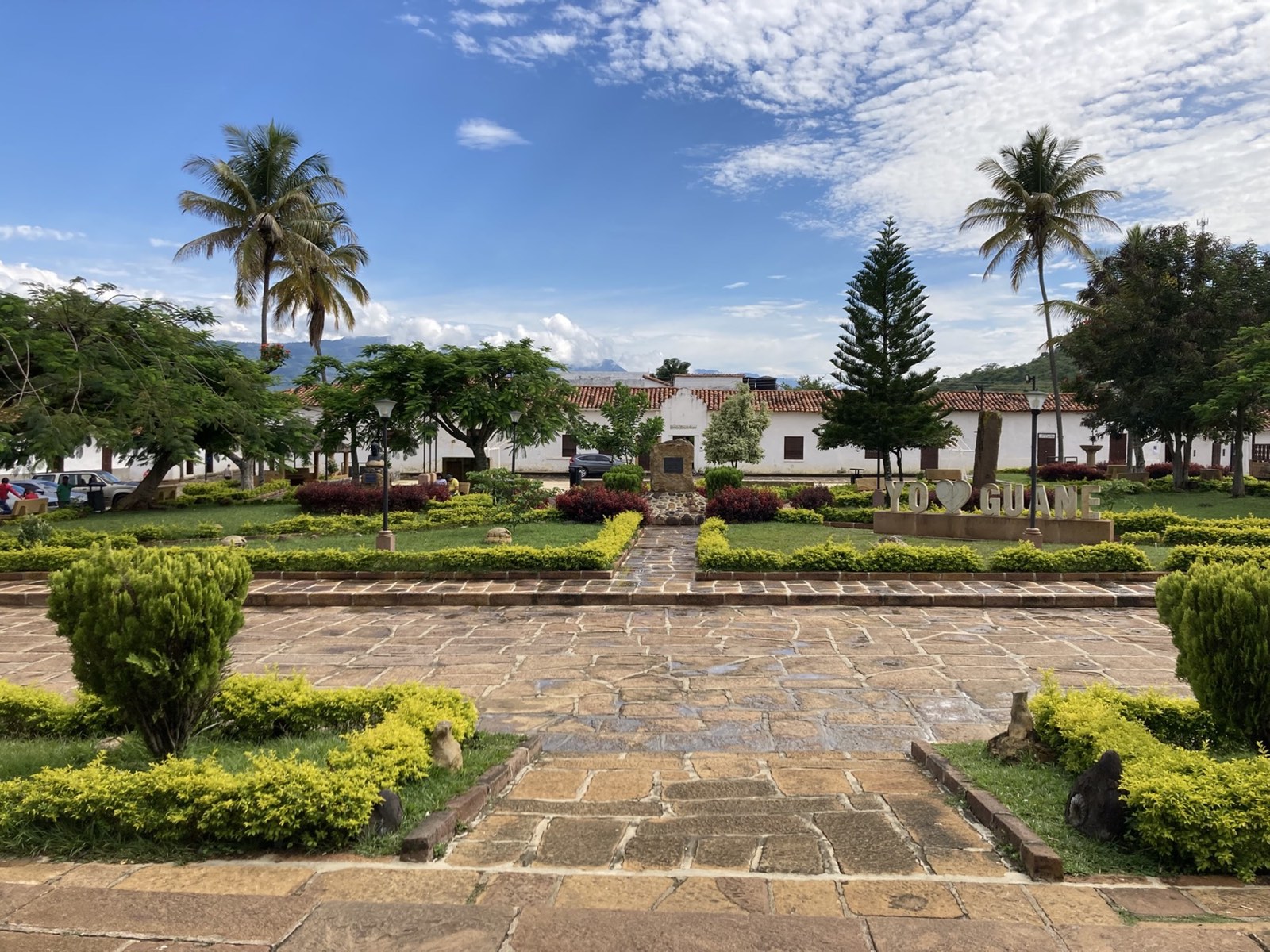
3 / 9 · The square
Gardens, palm trees, and the church in the background.
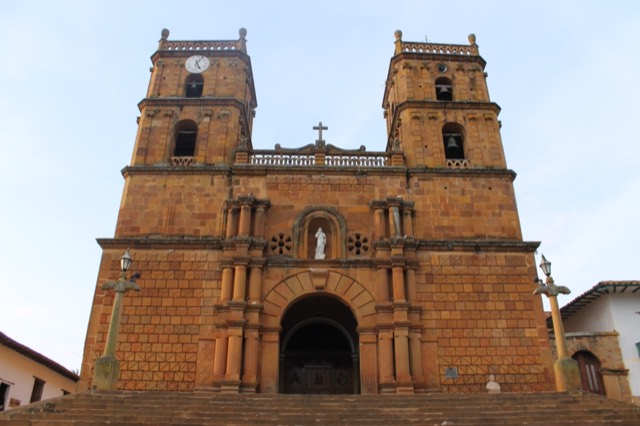
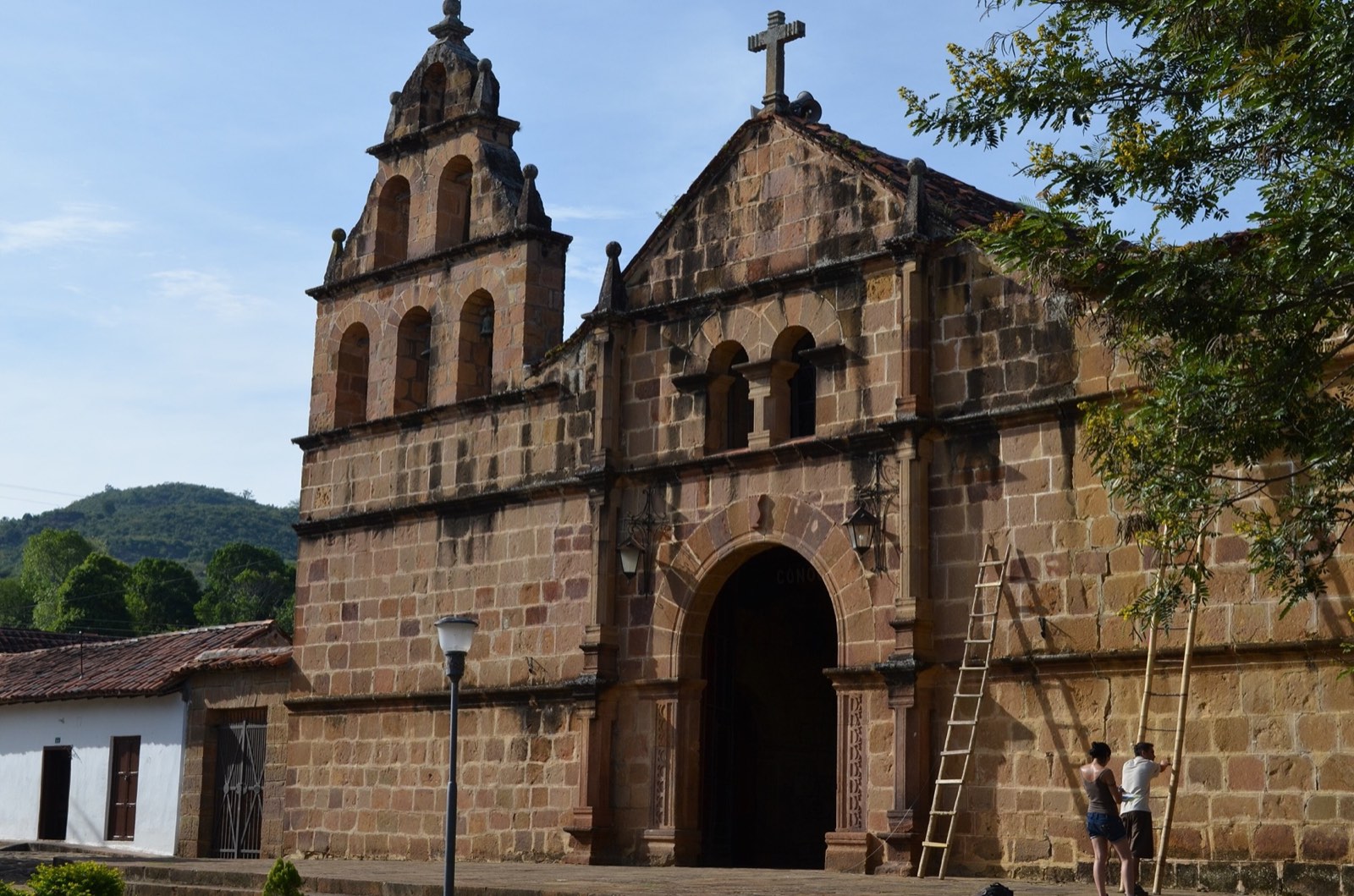
4 / 9 · The church
Completed in 1786, it’s protected as a National Heritage Site.
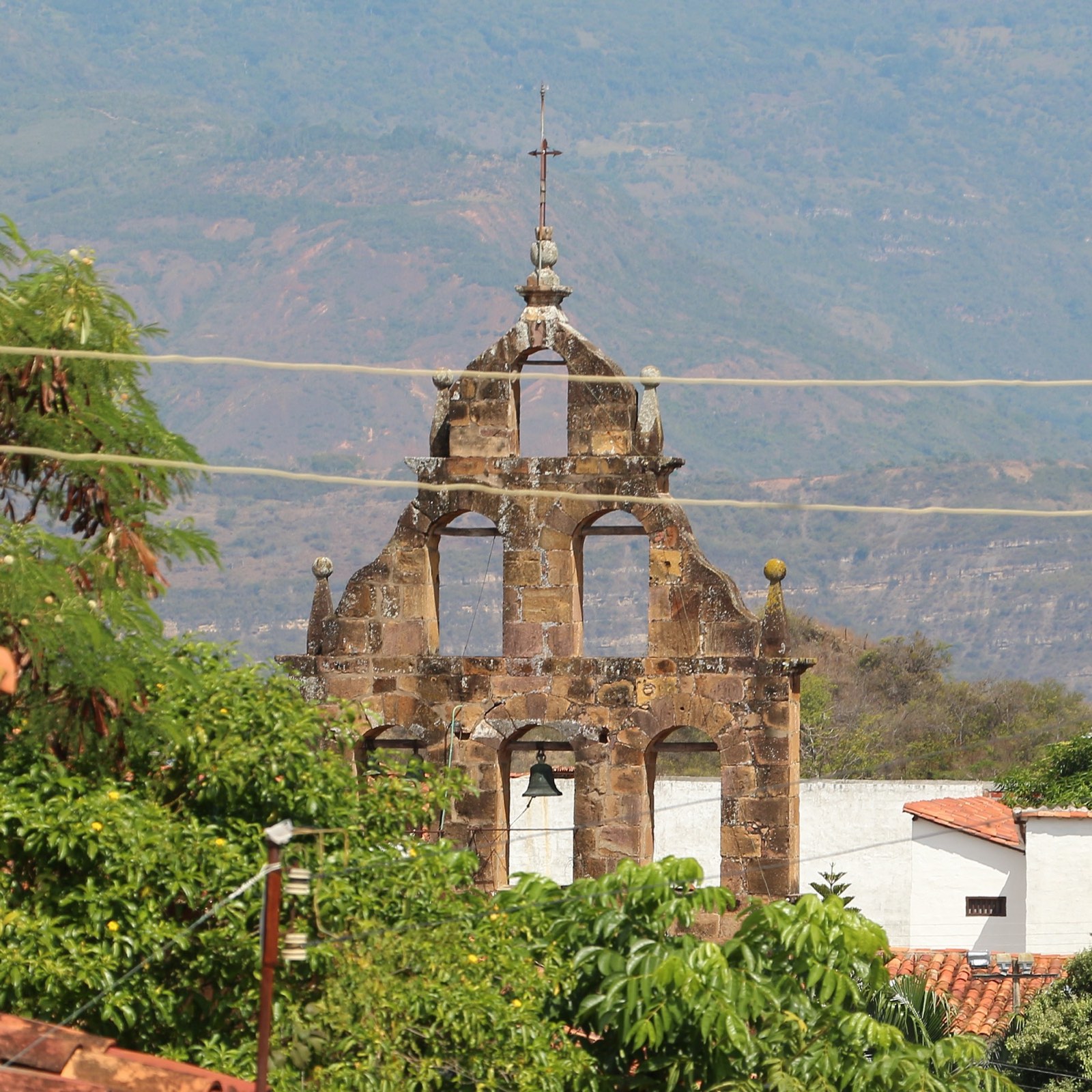
5 / 9 · The bell gable
Its stone top stands out against the mountains.
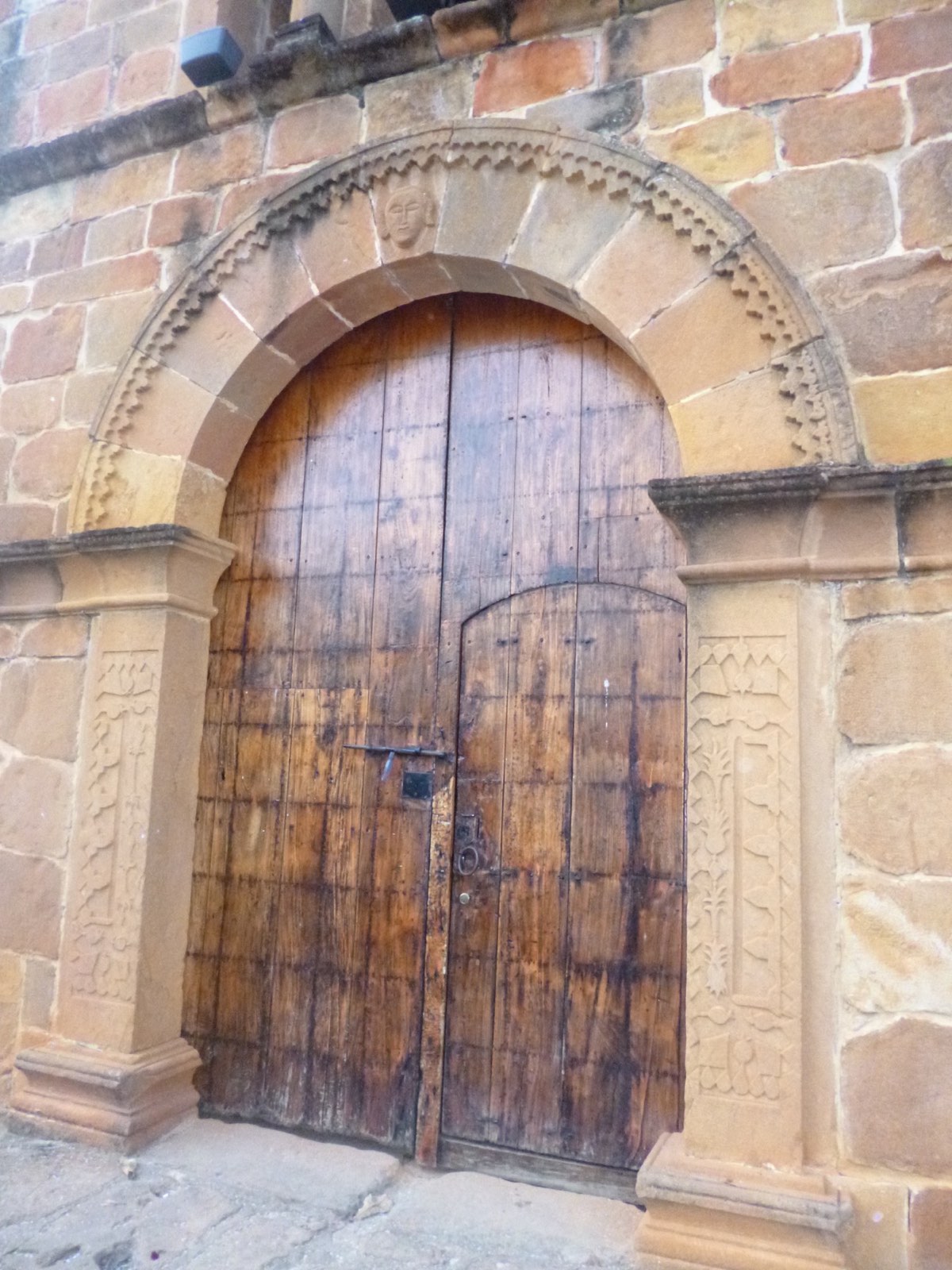
6 / 9 · The entrance
Wood and carved stone at the church entrance.
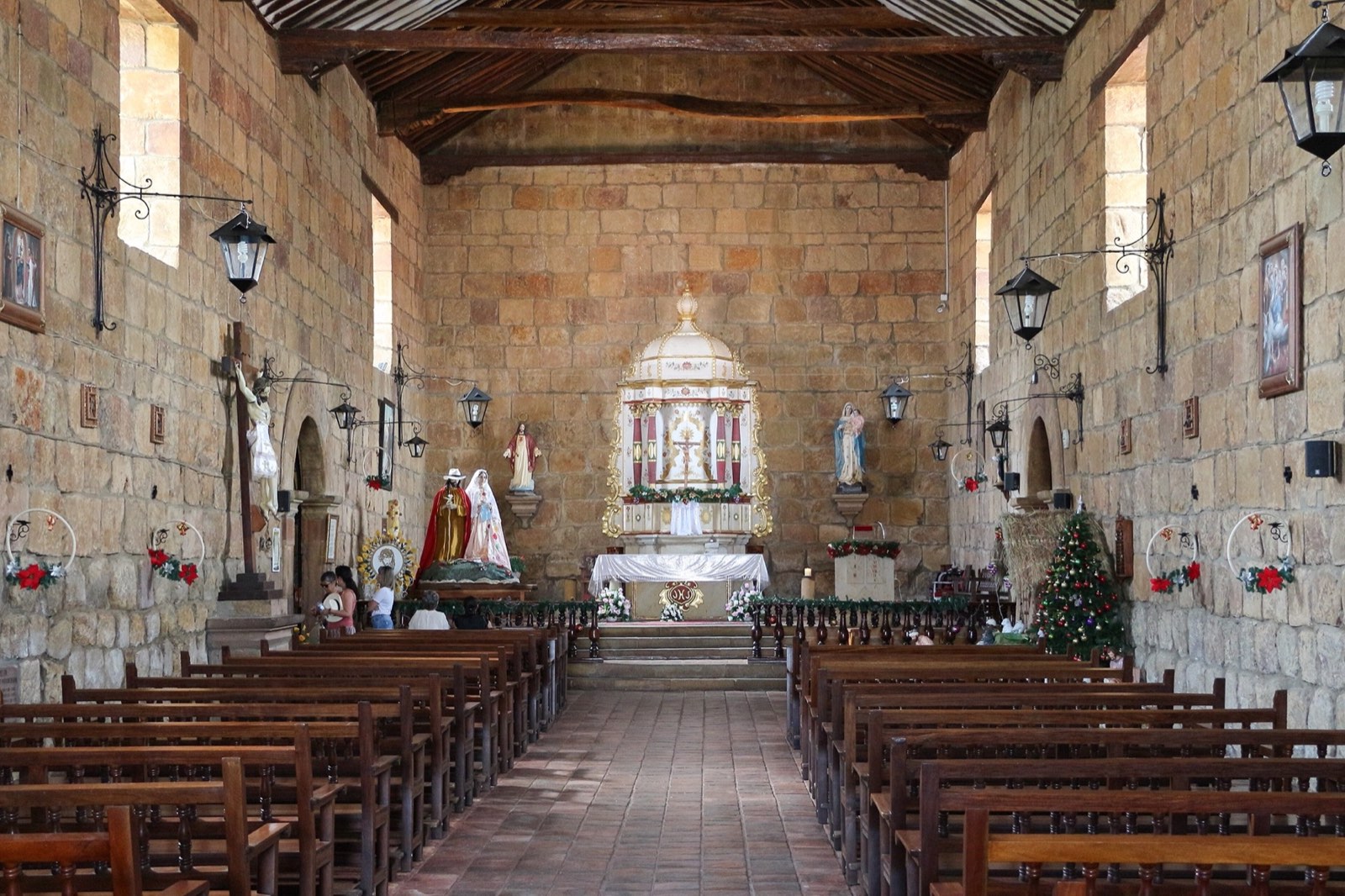
7 / 9 · Inside
Stone walls, a timber ceiling, and an altar at the far end.
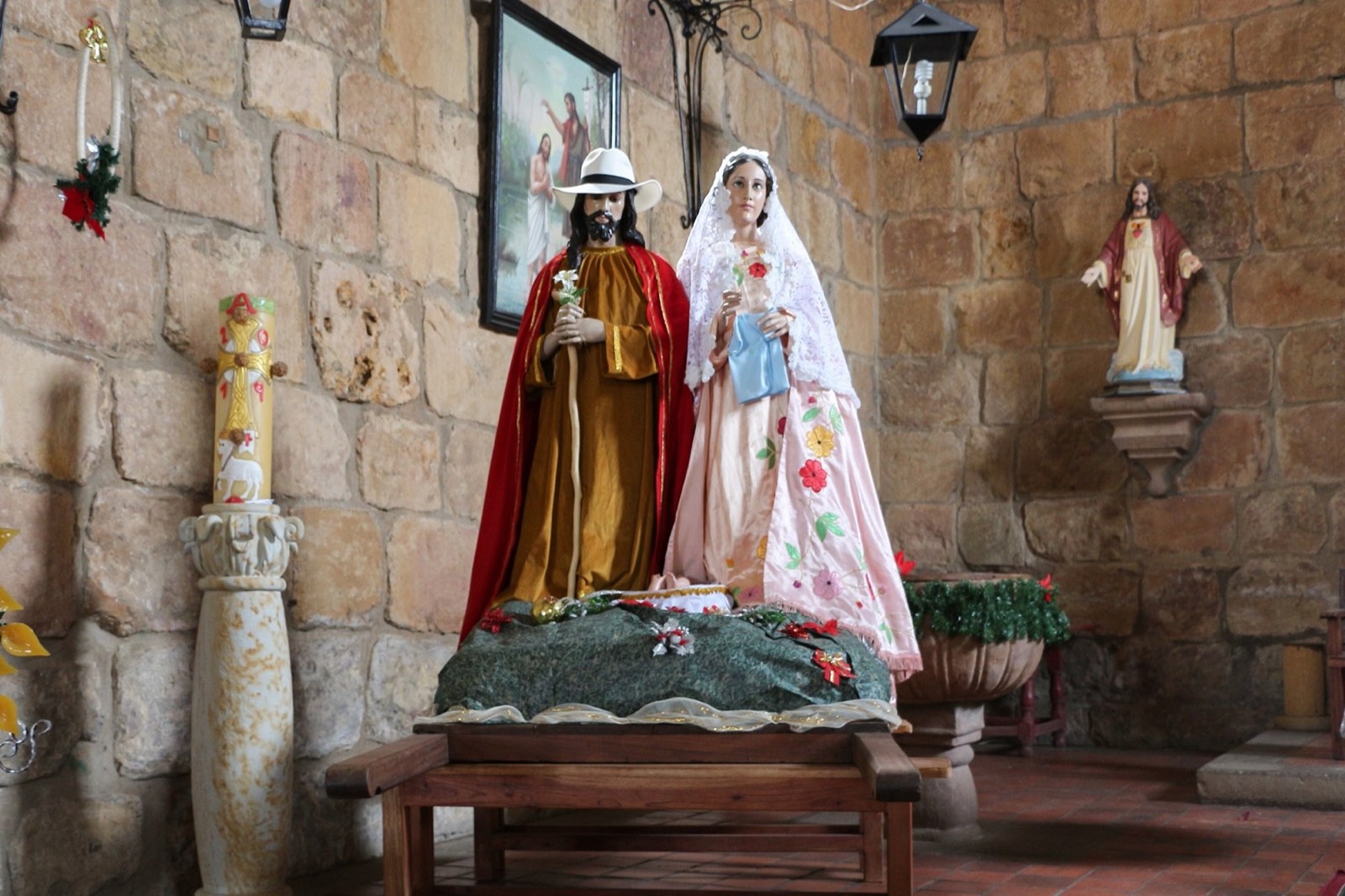
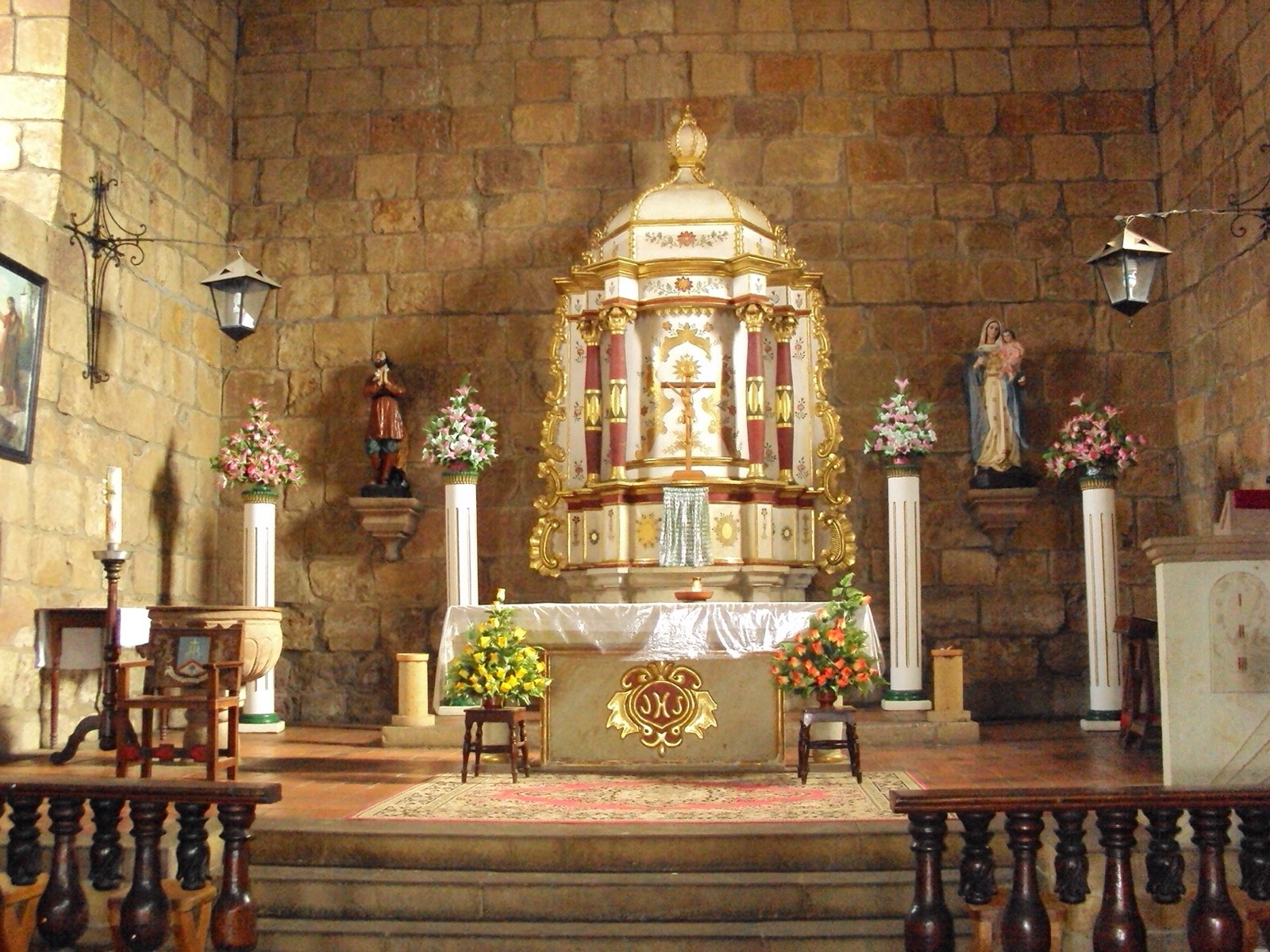
8 / 9 · The altar
The saint who arrived in 1751 with thirteen Indigenous people from Chanchón.
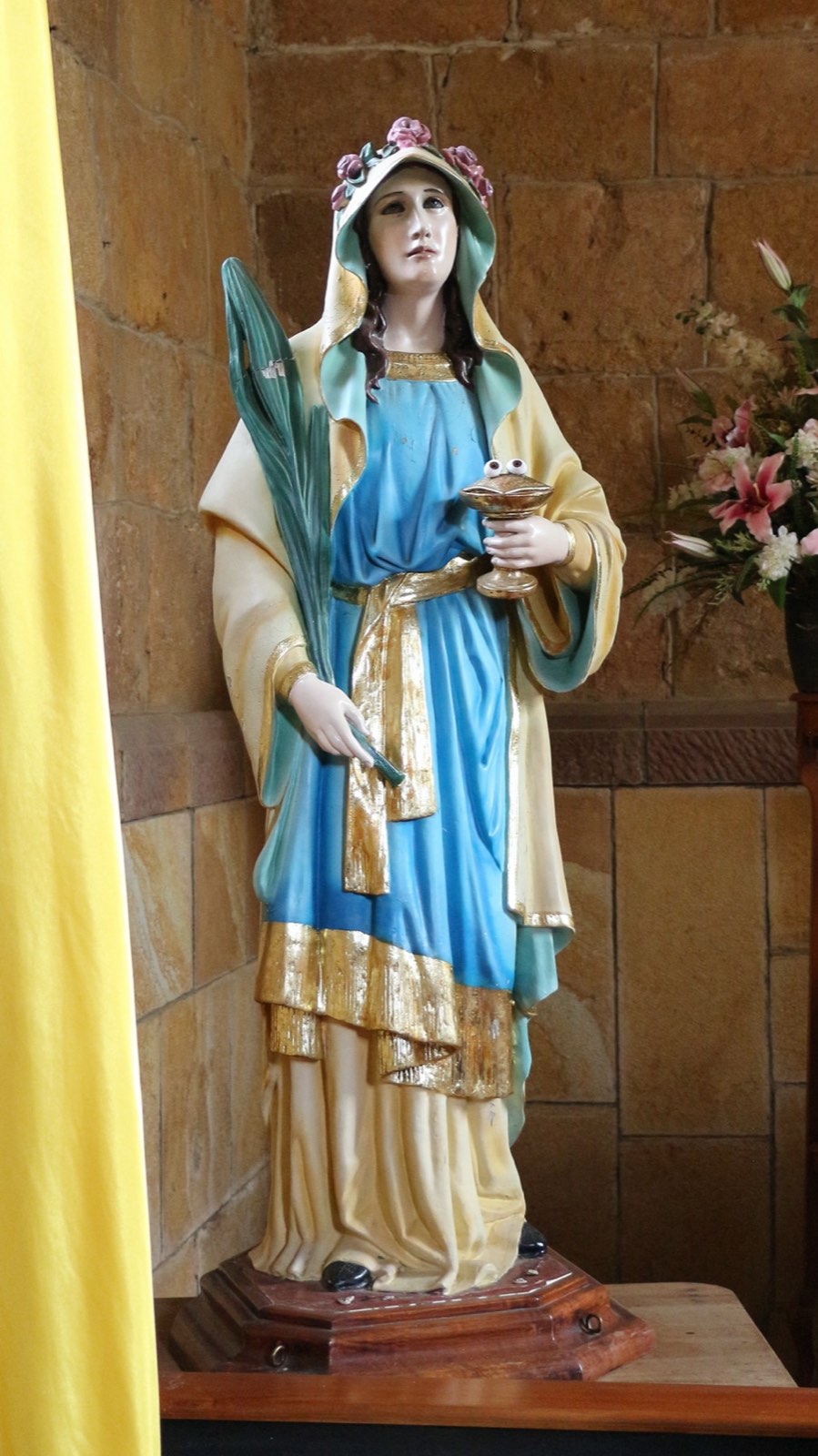
9 / 9 · Devotion
The village celebrates Santa Lucía every December 13.
Good to know
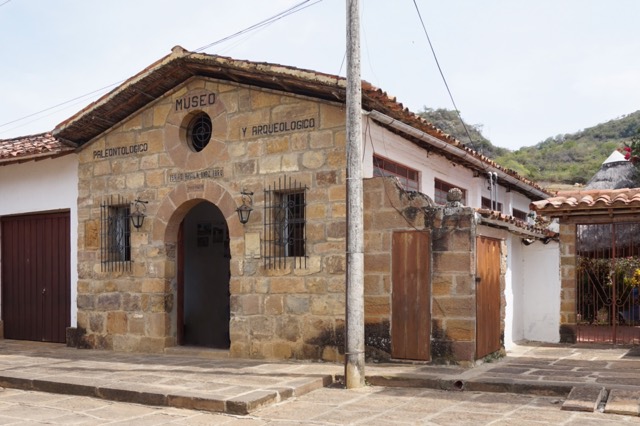
Guane is about 5.6 miles (9 km) from Barichara, at the end of the Camino Real. It was a municipality until 1888 and is now a village belonging to Barichara, home to one of the oldest and most important churches in Santander, a museum, and a lookout over the Suárez River canyon.
The Santa Lucía church
Guane’s church was completed in 1786 and is considered the country’s first Indigenous mission chapel, run by Spanish missionaries. It holds Colombia’s highest level of heritage protection: it’s a National Heritage Site (Bien de Interés Cultural del ámbito nacional), a status very few churches in Santander share.
On June 20, 1751, thirteen Indigenous people—the last survivors of the chief of Chanchón’s tribe—arrived in Guane carrying a painting of Santa Lucía. Ever since, the saint has been at the heart of the village’s devotion, celebrated every December 13.
The lookout
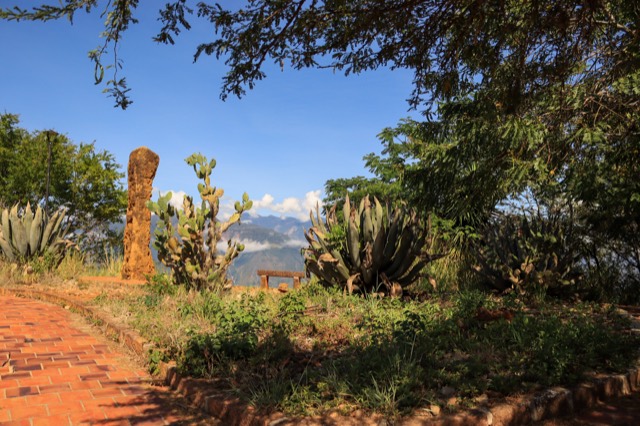
Just two blocks from the square, along cobblestone streets, is the Guane lookout. From there you can see the Suárez River valley and, in the distance, the Yariguíes mountain range. It’s free and always open.
Next to the lookout there’s a small restaurant with views of the river and the mountains.
History
Land of the Guane people. The settlement was known as Móncora.
According to some sources, Martín Galeano founds the settlement.
The sources we consulted don’t fully agree on the founding date.
The parish is created after splitting off from Vélez.
On June 20, the thirteen Indigenous people from Chanchón arrive with the painting of Santa Lucía.
The Santa Lucía church is completed.
Guane stops being a municipality and becomes a village under Barichara.
Stories and fun facts
Until 1888, Guane was its own municipality. Its decline turned it into a village under Barichara.
The painting of Santa Lucía arrived with thirteen Indigenous people, the last of their tribe.
Marine fossils, like snails, turn up in the soil around here: millions of years ago, all of this was underwater.
Ask for sabajón, a homemade liqueur typical of the area.
Gallery
Tap a photo to see it full size.
On video

Guane, Barichara, Santander: a haven of tranquility · Acento Santandereano on YouTube.
Location
Message us and we’ll help you plan your visit to Guane and pair it with other spots in Barichara.
Message us on WhatsAppKeep exploring
Sources
We only share what we could verify. When sources disagree, we say so. Accessed October 1, 2026.
gu-altar: Kamilokardona · CC BY-SA 3.0 · Wikimedia Commons
gu-calle1: Bernard Gagnon · CC BY-SA 4.0 · Wikimedia Commons
gu-calle2: Bernard Gagnon · CC BY-SA 4.0 · Wikimedia Commons
gu-corregimiento: Oscarphoto · CC BY-SA 3.0 · Wikimedia Commons
gu-iglesia1: Bernard Gagnon · CC BY-SA 4.0 · Wikimedia Commons
gu-iglesia3: Bernard Gagnon · CC BY-SA 4.0 · Wikimedia Commons
gu-iglesia4: Bernard Gagnon · CC BY-SA 4.0 · Wikimedia Commons
gu-iglesia5: Bernard Gagnon · CC BY-SA 4.0 · Wikimedia Commons
gu-panorama: Oscarphoto · CC BY-SA 3.0 · Wikimedia Commons
gu-parque: Nikolaiky · CC BY-SA 4.0 · Wikimedia Commons
gu-puerta: Moquito · CC BY-SA 3.0 · Wikimedia Commons
Licenses: CC BY-SA 4.0, CC BY-SA 3.0, or public domain (CC0), depending on the photo.